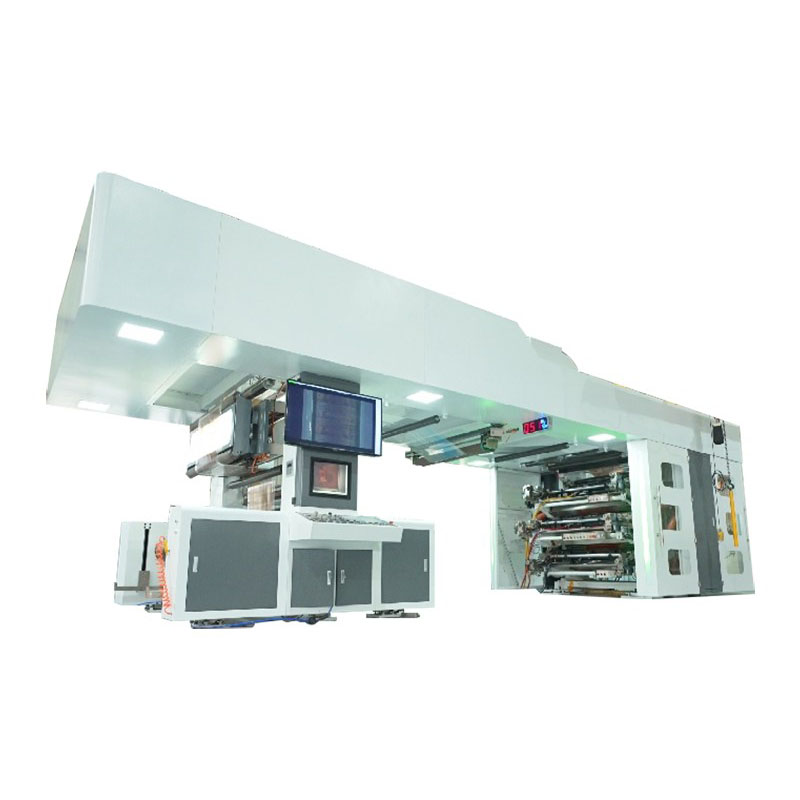

Article Summary: A modern Stack Flexo Printing Machine can help packaging converters address common production challenges such as inconsistent color registration, substrate movement, long setup times, material waste, and limited application flexibility. By combining multiple printing units with controlled web tension, servo-driven operation, flexible substrate compatibility, and optional inline converting functions, stack flexographic technology provides a practical solution for paper, film, cardboard, woven fabric, labels, and other packaging materials. This guide explains how the machine works, what problems it can solve, which specifications deserve attention, and how to select a configuration that matches real production requirements.
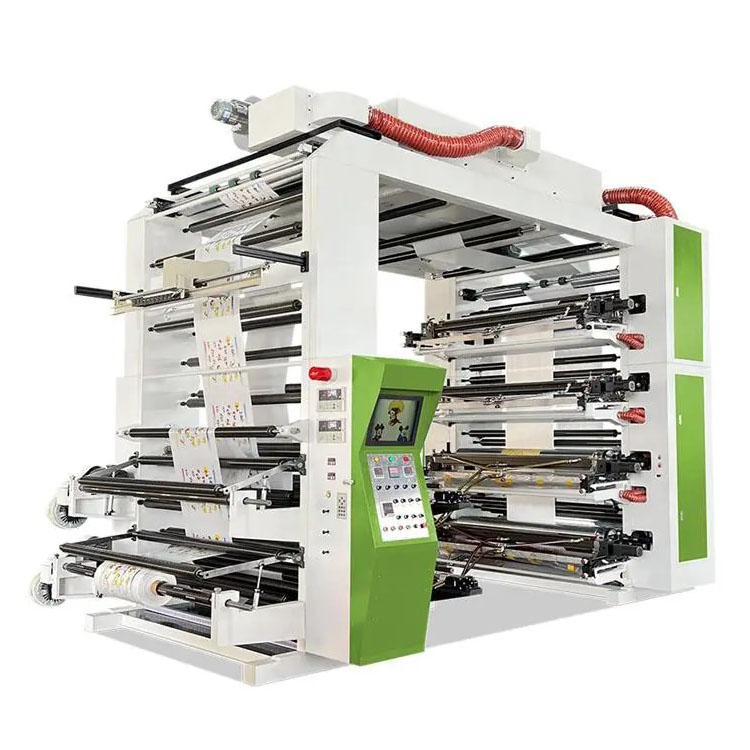
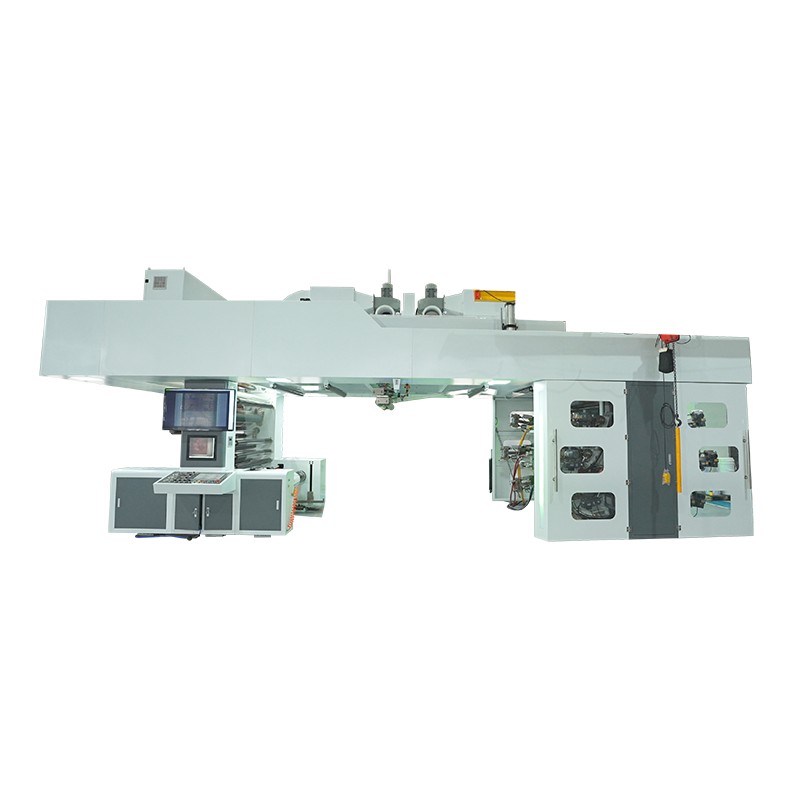
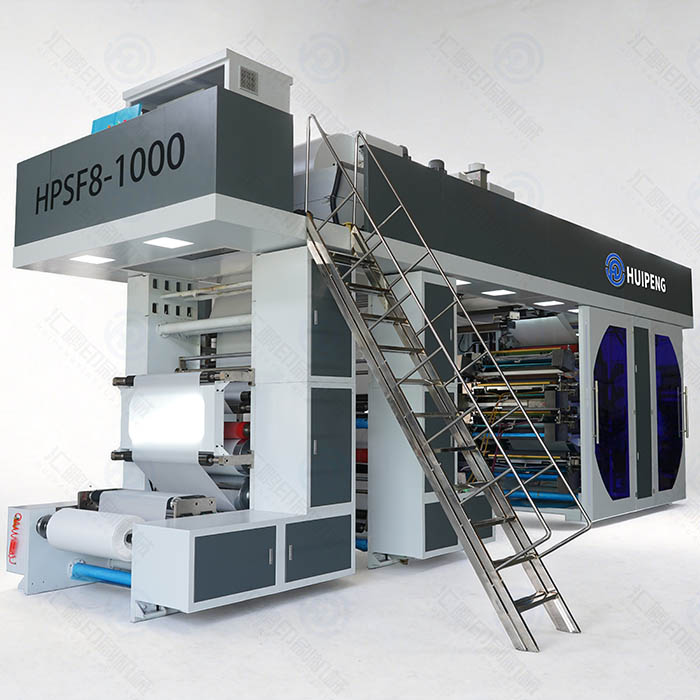
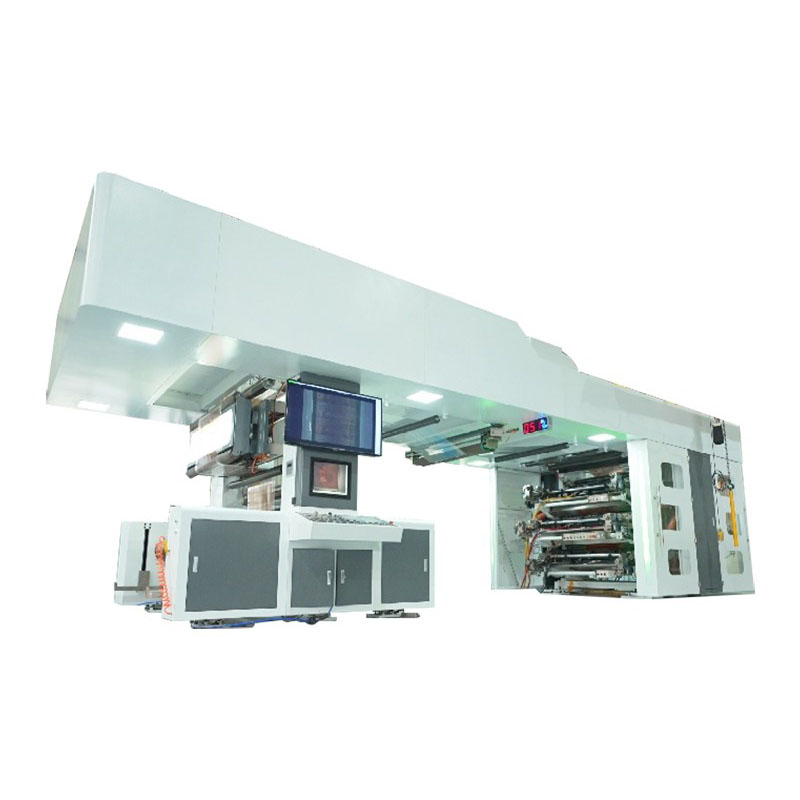
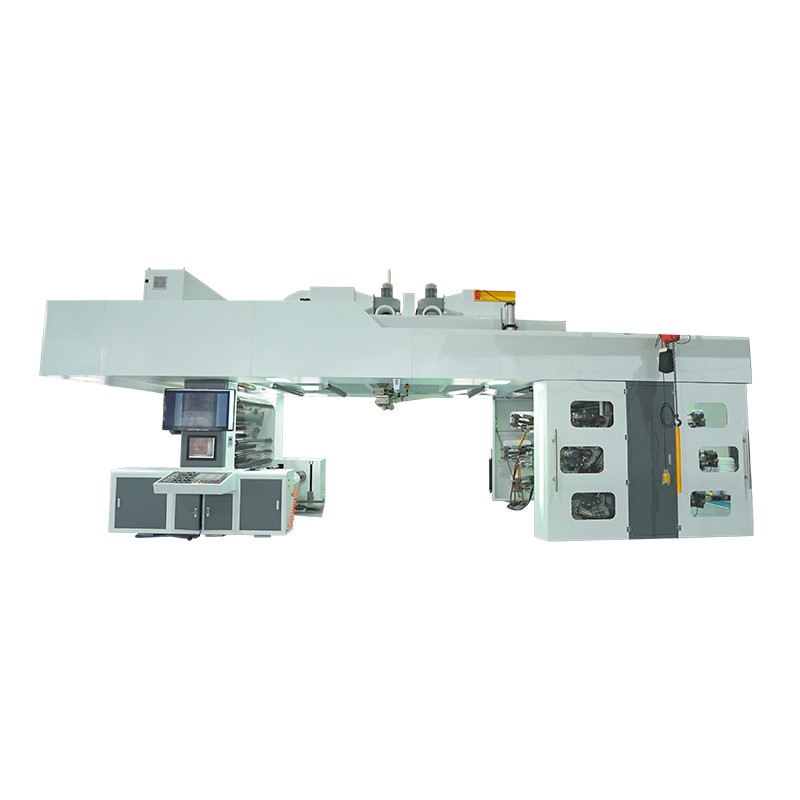
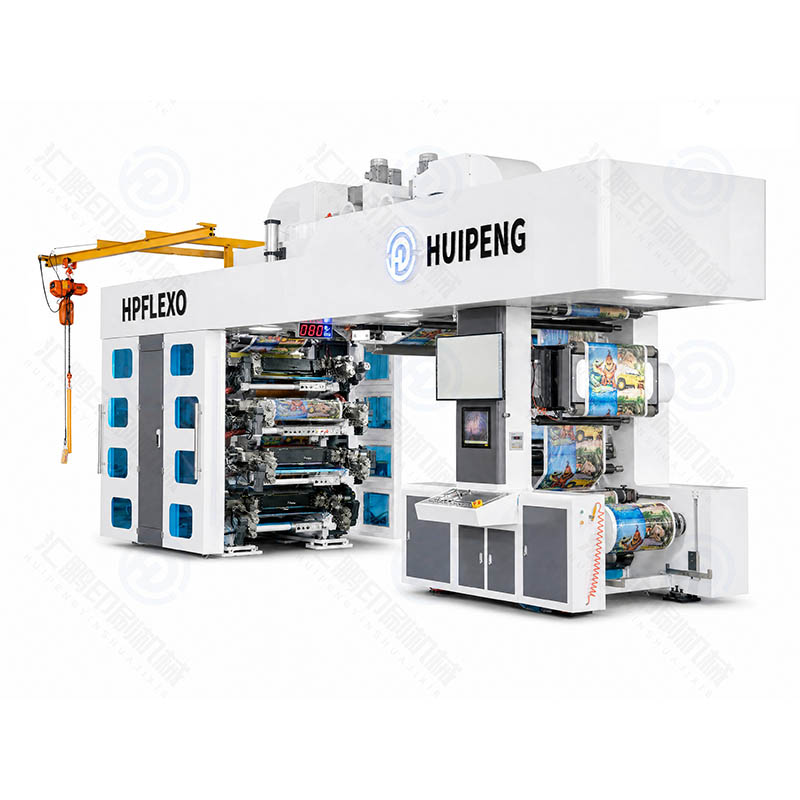
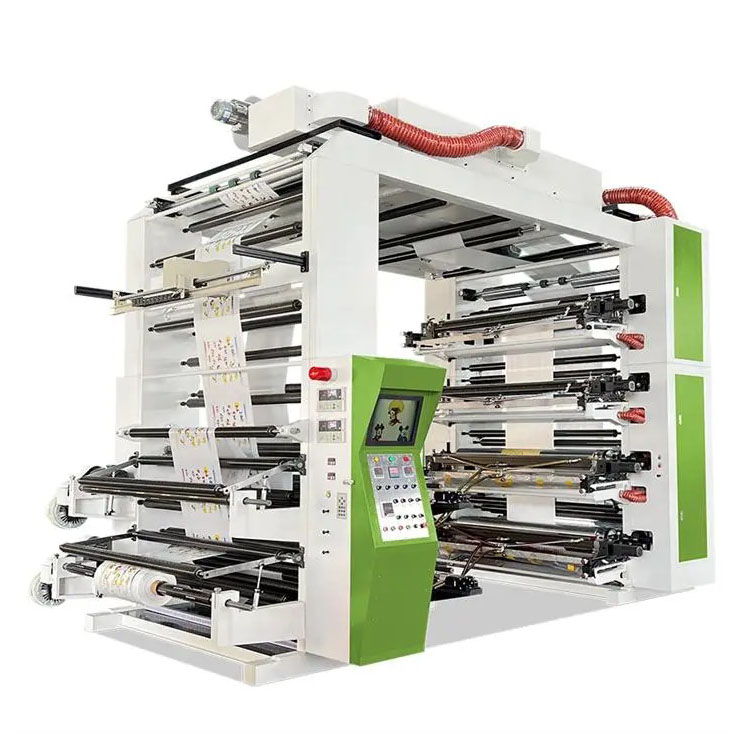
A Stack Flexo Printing Machine is a type of flexographic press in which individual printing units are arranged in a stacked configuration. Each unit generally contains its own printing cylinder or sleeve arrangement, anilox system, ink delivery components, impression cylinder, and associated controls.
This configuration gives converters considerable flexibility when producing packaging and printed materials in multiple colors. Depending on the machine design, the substrate can pass through several printing stations for sequential color application. The web path can also be arranged to support different printing requirements, including applications where printing on both sides of the material is necessary.
For packaging manufacturers, the major value of this architecture is not simply the number of printing units. The real advantage comes from combining controlled material transport, accurate registration, appropriate ink management, and a configuration that matches the substrate and finished product.
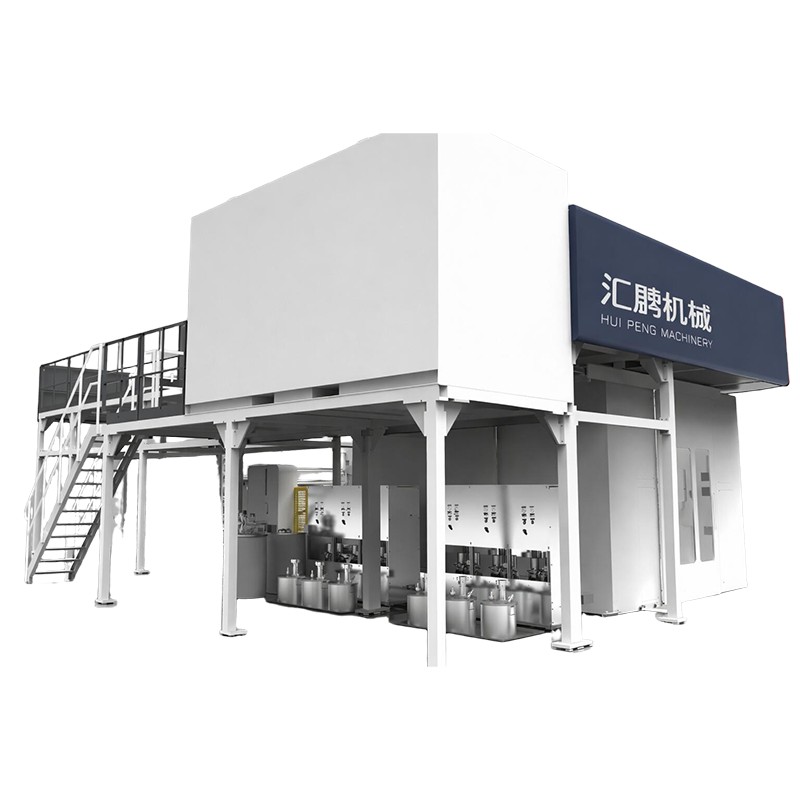
HuiPeng develops Stack Flexo Printing Machine solutions for packaging and converting applications, with configurations designed around different production materials and printing requirements.
Understanding the major components makes it easier to evaluate equipment before purchase. A well-configured press should allow each subsystem to work together rather than treating printing speed, registration, drying, and web handling as isolated functions.
| Component | Primary Function | Why It Matters |
|---|---|---|
| Printing Units | Apply individual colors to the substrate | Determine color capacity and printing flexibility |
| Anilox System | Transfers a controlled amount of ink | Influences ink density and print consistency |
| Servo Drive | Controls movement of key machine components | Supports accurate synchronization and registration |
| Tension Control | Maintains stable web movement | Reduces substrate shifting and registration errors |
| Drying System | Dries printed ink between stages | Helps prevent smearing and blocking |
| Rewinding System | Forms the finished web roll | Influences downstream handling and converting |
| Control System | Coordinates machine operation | Simplifies setup, monitoring, and adjustment |
The exact component selection should be determined by substrate type, ink system, printing width, number of colors, production volume, and required finishing operations.
The printing process begins when the substrate is unwound and guided into the press. Maintaining stable web tension from the beginning is essential because flexible materials can stretch, contract, or shift during production.
Once the web reaches the first printing station, the anilox system transfers a controlled ink volume to the printing plate. The plate then transfers the image to the substrate. The web continues through subsequent printing units, with each station adding another color.
Between printing stages, the drying system helps stabilize the previously applied ink before the substrate reaches the next unit. Registration controls continuously help maintain the intended relationship between colors.
At the end of the process, the printed web can be rewound. Depending on the configuration, additional operations such as glazing, die-cutting, slitting, or other inline converting processes may be incorporated into the production line.
This integrated approach can reduce unnecessary handling and help converters move more efficiently from raw material to finished rolls.
Packaging converters frequently face similar operational problems. A machine may have sufficient nominal speed, yet still deliver unsatisfactory overall productivity if setup waste, registration instability, excessive downtime, or material defects are high.
Multi-color printing requires precise coordination between printing stations. If the substrate moves unpredictably or the drive system is poorly synchronized, registration errors can appear as blurred edges, color misalignment, or inaccurate graphics.
Servo-driven systems and controlled web tension can provide a more stable foundation for maintaining registration during production.
Waste can occur during startup, color adjustment, registration correction, substrate changes, and quality rejection. Reducing unnecessary setup and stabilizing the machine sooner can improve material utilization.
Operators should therefore evaluate not only maximum printing speed but also how quickly the machine can reach acceptable production quality.
A packaging company may handle different substrates over its production cycle. A machine designed around only one material can become restrictive when customers request new packaging formats.
Stack flexographic equipment can be configured for a range of substrates, including suitable paper, cardboard, plastic films, and woven materials, depending on the machine specification and ink system.
Short and medium production runs require efficient changeovers. If setup procedures are complicated, operators may spend a significant portion of production time preparing rather than printing.
A practical control interface, accessible printing units, appropriate automation, and standardized operating procedures can make job changes more manageable.
When printing and converting have to be performed on completely separate machines, every additional handling step introduces labor requirements and potential quality risks.
For suitable applications, inline glazing, die-cutting, slitting, and rewinding modules can help consolidate operations and reduce intermediate handling.
One of the most important purchasing questions is substrate compatibility. The correct answer depends on the machine configuration, substrate thickness, surface characteristics, ink system, drying capacity, and final product requirements.
Before ordering equipment, buyers should provide the supplier with actual substrate samples or detailed material specifications whenever possible. This allows the machine configuration to be evaluated against real production conditions rather than theoretical assumptions.
There is no single Stack Flexo Printing Machine configuration that is ideal for every converter. The correct specification should start with the production target.
| Requirement | Configuration Consideration | Potential Benefit |
|---|---|---|
| More colors | Increase the number of printing units | Supports more complex graphics |
| High registration accuracy | Servo drive and stable tension control | Improves multi-color alignment |
| Different substrates | Flexible web-handling and drying configuration | Expands application range |
| Integrated finishing | Optional inline converting modules | Reduces intermediate handling |
| Frequent job changes | User-friendly controls and efficient setup | Helps reduce changeover time |
| Growing production demand | Scalable machine configuration | Provides room for future applications |
For this reason, buyers should avoid selecting equipment based only on a headline speed or the number of colors. A balanced configuration is usually more valuable than an oversized machine with features that are rarely used.
Consistent print quality depends on the entire production system. Even advanced equipment cannot compensate for unsuitable materials, incorrect ink preparation, worn components, or unstable operating procedures.
Substrate thickness, surface treatment, moisture, stiffness, and dimensional stability can influence printing performance. Operators should verify incoming materials and maintain appropriate storage conditions.
Ink viscosity, drying behavior, anilox selection, and plate condition all affect the final image. Consistent ink preparation helps reduce color variation between batches.
Unstable tension can cause web wandering, wrinkles, stretching, and registration problems. Tension settings should be matched to the material rather than treated as a universal fixed value.
Printing plates, anilox rolls, doctoring components, bearings, and other wear parts should be inspected regularly. Small mechanical problems can gradually become larger quality issues when the press operates continuously.
Production efficiency should be measured across the complete job cycle instead of looking only at running speed.
A practical evaluation can include:
For example, a press that runs slightly slower but reaches stable quality quickly may deliver better real-world output than a faster machine that requires frequent adjustment.
This is especially relevant for converters handling short-to-medium production runs, where setup efficiency and flexibility can have a substantial influence on total production economics.
| Factor | Stack Flexo | CI Flexo | Typical Consideration |
|---|---|---|---|
| Printing Unit Layout | Individual units arranged in a stack | Units arranged around a central impression cylinder | Machine architecture affects web handling and application range |
| Substrate Flexibility | Broad, depending on configuration | Broad, with strong suitability for many flexible substrates | Actual compatibility depends on machine specification |
| Two-Sided Printing | Can be supported through appropriate web routing | Depends on configuration and process design | Check the intended production method |
| Application Flexibility | Strong for varied packaging and converting work | Strong for high-quality flexible packaging applications | Choose according to products and production volume |
| Inline Options | Can include selected finishing modules | Can also be configured with downstream functions | Integration should match the finished product |
The comparison should not be reduced to which press is universally better. Each flexographic architecture has applications where its design provides practical advantages. The best choice depends on substrate behavior, product format, production volume, print requirements, and available floor space.
Preventive maintenance is one of the simplest ways to protect printing consistency and equipment availability. A maintenance program should be based on actual operating conditions and manufacturer recommendations.
Operators should also distinguish between a machine problem and a process problem. For example, repeated registration errors may originate from substrate instability, incorrect tension settings, plate issues, or mechanical wear rather than from the control system itself.
Choosing the machine is only one part of a successful printing project. The supplier's ability to understand the application, configure the equipment, provide technical support, and respond to future production requirements can be equally important.
HuiPeng provides Stack Flexo Printing Machine solutions for packaging and converting applications. Its product range includes configurations designed around different printing requirements, including full-servo systems and stack flexographic printing equipment.
According to the manufacturer's product information, HuiPeng's Stack Flexo Printing Machine solutions can support 1-to-8-color printing and applications involving paper, cardboard, plastic films, and woven fabrics, depending on configuration. The company also describes options for inline glazing, die-cutting, slitting, and rewinding.
The company also emphasizes servo-driven operation and tension control for registration stability, along with customized solutions for converters. These capabilities are particularly relevant when a buyer needs equipment adapted to specific substrates or production requirements rather than a generic machine.
When evaluating HuiPeng or another supplier, buyers should communicate their complete production requirements, including material type, material width, thickness, number of colors, printing method, ink type, expected production volume, finished-roll requirements, and any desired inline converting processes.
Before requesting a quotation, prepare the following information:
Providing this information at the beginning allows the manufacturer to recommend a more appropriate configuration and reduces the risk of purchasing equipment that is either under-specified or unnecessarily complex.
Its stacked printing-unit architecture provides flexible multi-color printing and can accommodate different substrate and web-routing requirements. With appropriate configuration, it can be used for packaging, labels, paper products, films, and other converting applications.
The number depends on the specific machine configuration. HuiPeng's product information describes Stack Flexo Printing Machine solutions supporting 1 to 8 colors.
Yes, suitable configurations can support single-sided or double-sided printing by using an appropriate substrate path. The exact method should be confirmed according to the machine design and application.
Depending on the machine configuration, suitable materials can include paper, cardboard, plastic films, and woven fabrics. Buyers should provide exact substrate specifications before finalizing the machine.
It can be suitable for short-to-medium production runs, particularly when the machine is configured for efficient setup, flexible job changes, and stable operation. The appropriate configuration depends on the converter's job mix and output requirements.
Yes. Depending on the model and application, optional modules can include glazing, die-cutting, slitting, and rewinding. HuiPeng specifically describes these types of integrated options for its Stack Flexo Printing Machine solutions.
Web tension directly influences substrate stability. Excessive or insufficient tension can contribute to stretching, wrinkles, web wandering, and color-registration problems. Stable tension is therefore an important part of consistent multi-color printing.
At minimum, provide substrate type and dimensions, printing width, number of colors, ink type, desired production speed, print-side requirements, finished-product specifications, and any inline converting requirements. More detailed information allows the supplier to propose a more suitable configuration.
A Stack Flexo Printing Machine is more than a multi-color printing press. For packaging converters, its value lies in how effectively the entire system manages substrate movement, ink transfer, registration, drying, printing, and finishing.
The right equipment can help address several common production challenges: unstable registration, excessive setup waste, restricted substrate choices, inefficient changeovers, and unnecessary material handling. However, these benefits depend heavily on selecting a configuration that matches the actual production environment.
Before making a purchasing decision, evaluate the complete workflow rather than focusing on one specification. Consider substrate behavior, color requirements, production volume, print quality, machine controls, maintenance, inline functions, technical support, and future expansion.
For converters looking for a flexible and application-oriented printing solution, HuiPeng offers Stack Flexo Printing Machine configurations designed for different packaging and converting requirements. If you have specific substrate, color, width, speed, or finishing requirements, contact HuiPeng to discuss a suitable machine configuration and production solution.
Ready to improve your flexographic printing process? Share your production requirements with HuiPeng and contact us for a customized Stack Flexo Printing Machine solution.