
Choosing between a CI flexo press and a stack flexo press involves more than comparing machine speed or the number of printing units. The press structure affects how the substrate moves through the machine, how consistently multiple colors register, and how well the equipment fits a particular packaging workflow.
For packaging converters working with plastic films, paper, woven materials, or other flexible substrates, understanding these differences helps narrow down the right equipment configuration. Both designs can support multicolor flexographic printing, but their strengths and practical considerations differ.
The main difference between a CI flexo press and a stack flexo press is the arrangement of their printing units and the way the substrate is supported during printing.
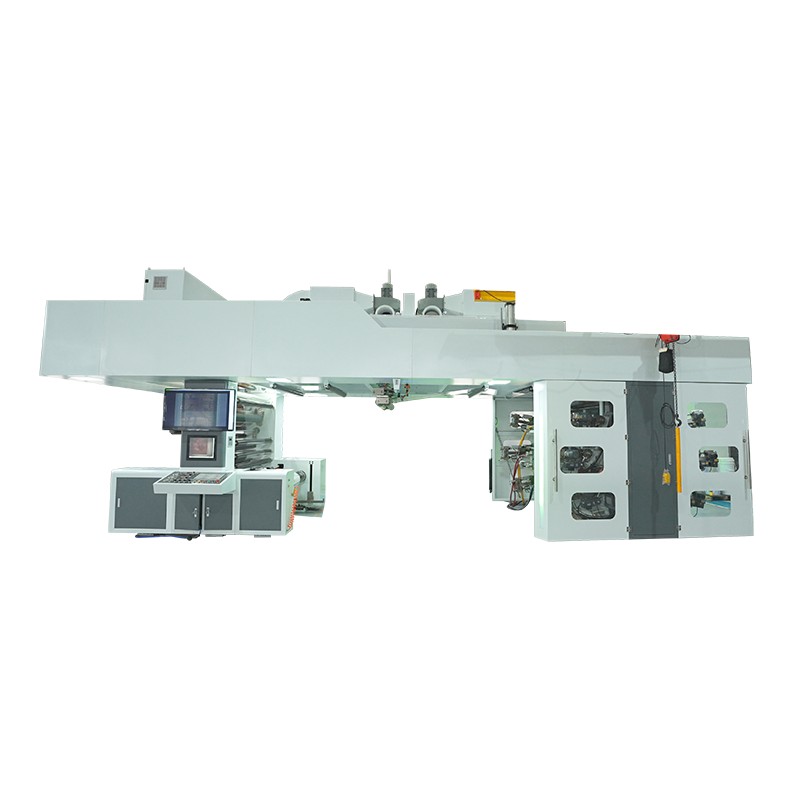
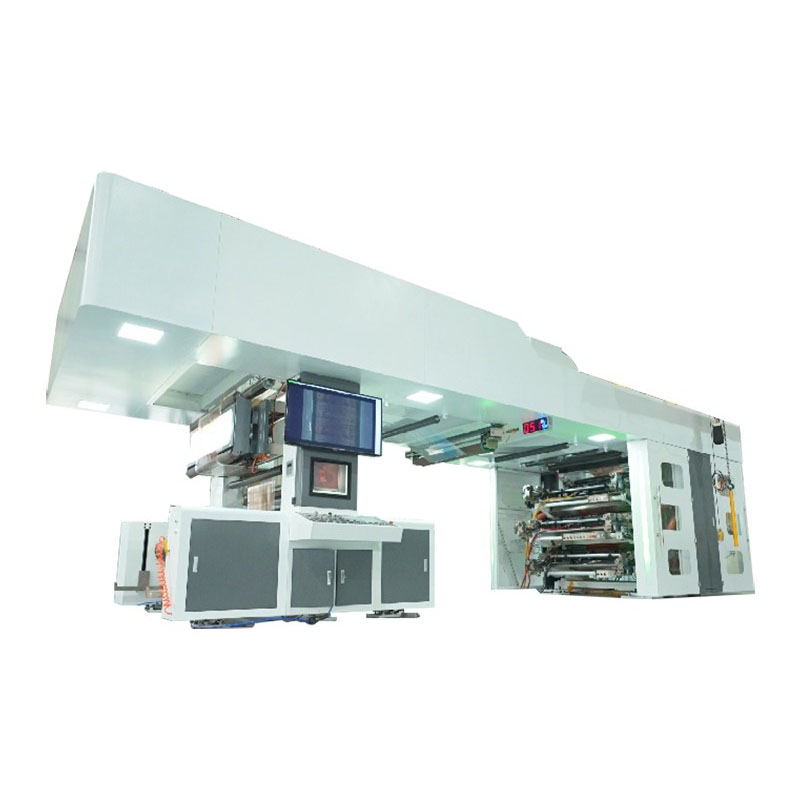
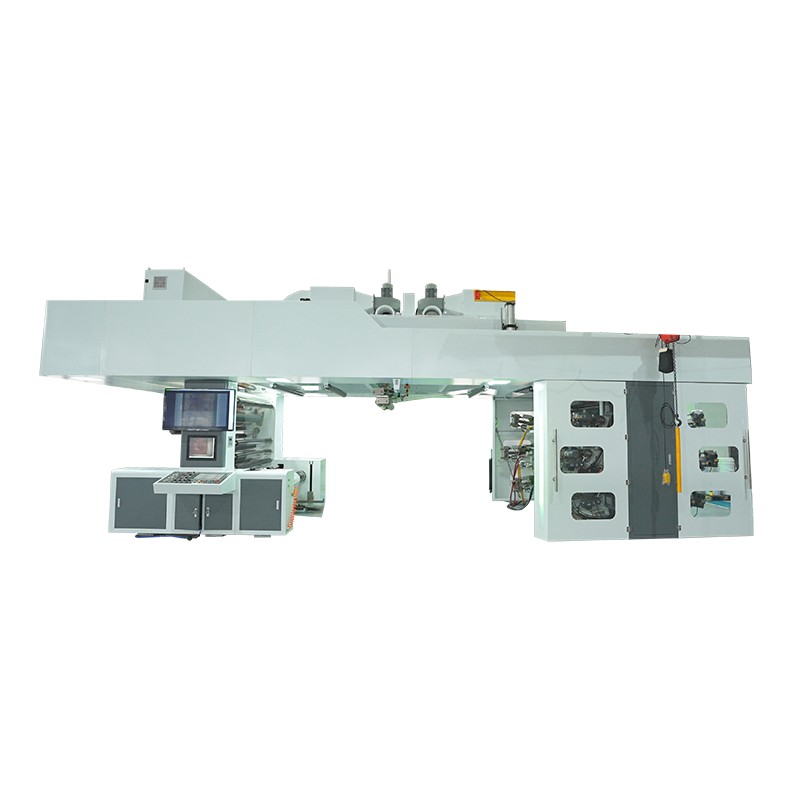
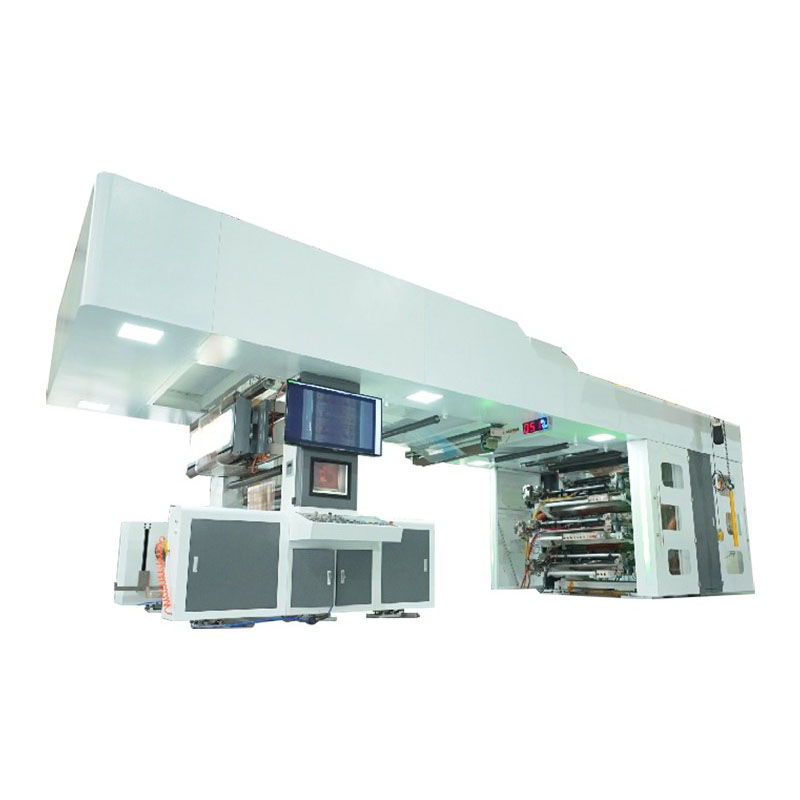
A CI flexo press uses a large central impression cylinder, with multiple printing stations arranged around it. As the material passes through each station, it remains supported by the central cylinder. This arrangement helps control substrate movement during multicolor printing, which is particularly important when working with thin or stretchable films.
Learn more about the equipment structure and available configurations on the CI Flexo Press product page.
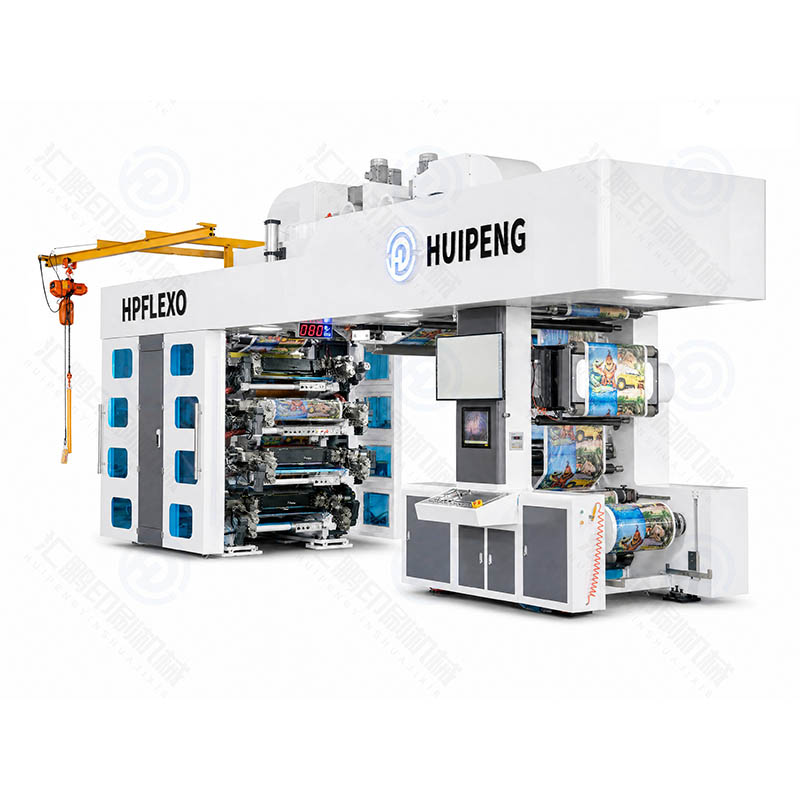
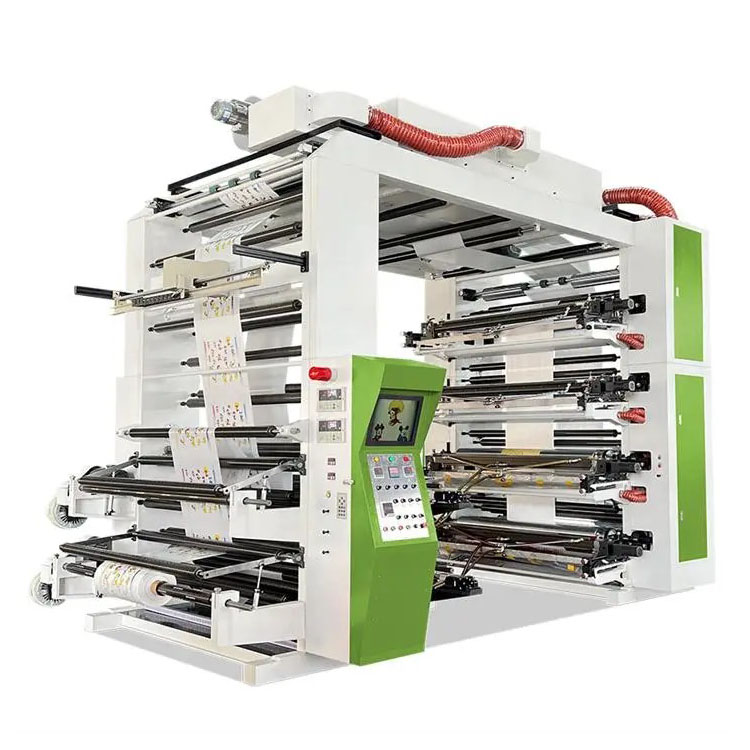
A stack flexo press arranges individual printing units vertically or in a stacked configuration. Each unit prints one color, and the substrate travels through the successive stations along its web path. This design provides flexibility in printing-unit arrangement and can accommodate different production requirements, depending on the machine configuration.
For more information about this equipment type, visit the Stack Flexo Printer product page.
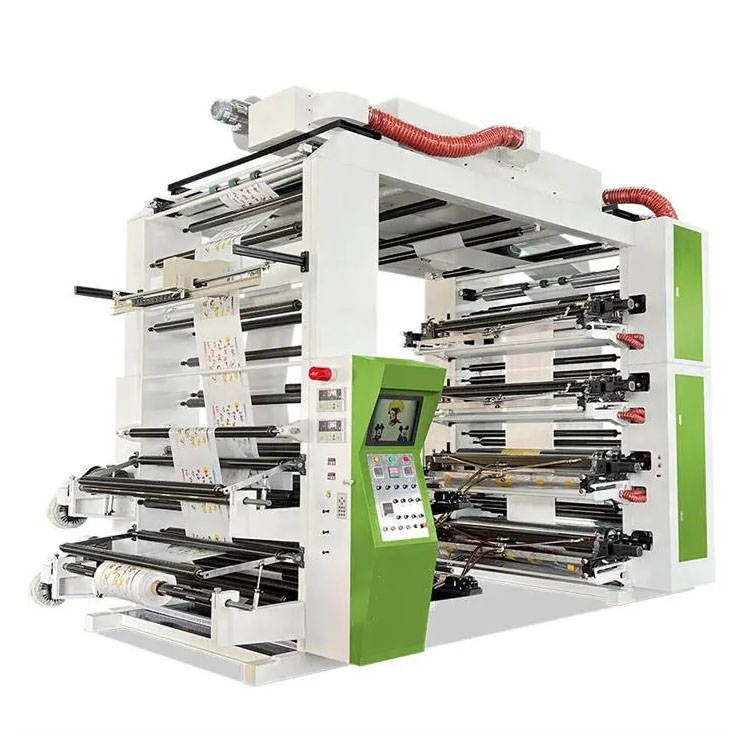
The two configurations should therefore be evaluated according to the substrate, required print quality, production volume, and intended packaging application rather than by machine structure alone.
| Comparison Factor | CI Flexo Press | Stack Flexo Press |
|---|---|---|
| Printing-unit arrangement | Multiple stations arranged around a central impression cylinder | Individual printing stations arranged in a stack |
| Substrate support | Central cylinder supports the material through multiple printing stations | Material travels through successive printing units |
| Multicolor registration | Central support helps maintain substrate stability during color-to-color printing | Registration depends on web handling, tension control, machine design, and setup |
| Thin-film printing | Often advantageous when dimensional stability and registration are critical | Possible with suitable tension control and machine configuration |
| Material compatibility | Depends on the press design, ink system, and substrate specifications | Depends on the press design, web path, and available configurations |
| Production planning | Often considered for demanding multicolor flexible-packaging jobs and longer runs | Can suit varied printing jobs and production requirements |
| Equipment selection | Emphasizes registration stability, substrate control, and production capacity | Emphasizes unit arrangement, flexibility, application requirements, and operating needs |
These are general characteristics rather than absolute performance guarantees. Actual printing speed, achievable registration accuracy, material compatibility, and operating costs depend on the individual machine model, substrate properties, printing design, and production conditions.
A CI flexo press is worth considering when packaging production requires consistent multicolor registration, particularly on thin films that may stretch or shift during printing.
The central impression cylinder provides continuous support as the substrate passes through the printing stations. This helps reduce relative movement between colors and can make registration control more manageable under suitable operating conditions.
Typical applications include:
Flexible packaging printed on PE, PP, PET, BOPP, or OPP films, subject to machine specifications.
Multicolor packaging designs requiring consistent alignment between printing colors.
Medium-to-long production runs where repeatability and stable output are important.
Packaging jobs involving recurring designs and established production parameters.
For example, a converter printing multicolor graphics on polypropylene woven packaging may need to balance registration accuracy, web tension, ink performance, and production speed. A machine designed for this application can help address these requirements.
HP Flexo's PP CI Flexo Press is a relevant option to evaluate for PP woven fabric and related packaging applications. The final selection should be based on the actual material, bag dimensions, printing design, and required output.
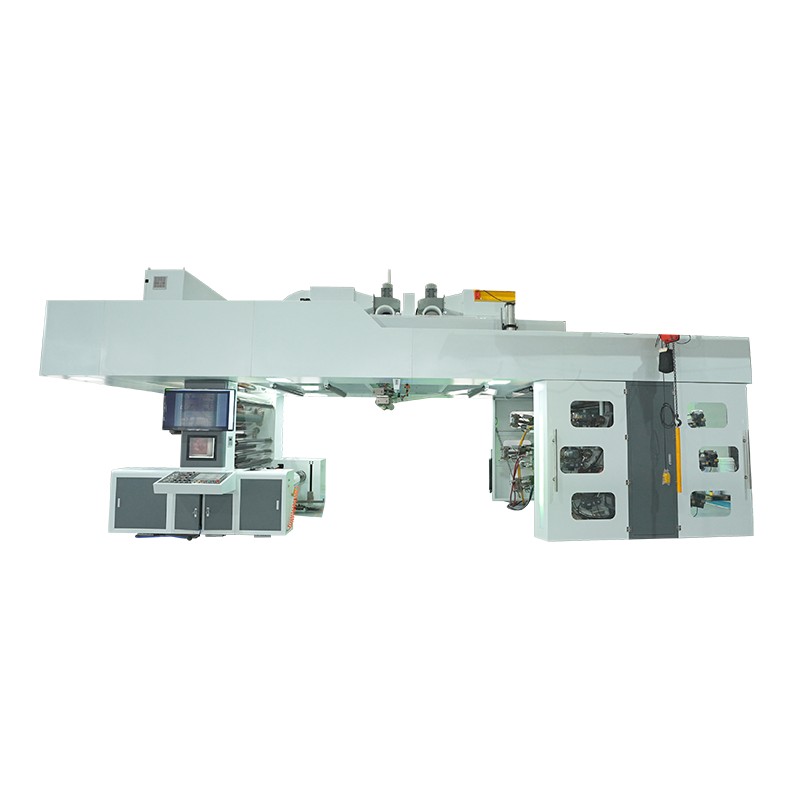
A CI configuration is not automatically the best choice for every job. If the substrate is relatively stable, the printing requirements are less demanding, or the production workflow favors another machine arrangement, a stack press may also be suitable.
A stack flexo press can be a practical option for converters who need a flexible printing configuration for different jobs, materials, and production requirements.
Because the printing units are arranged independently, the press layout can offer useful access for adjustment and maintenance, depending on the design. Some configurations also support single-sided or double-sided printing through the appropriate web path and equipment arrangement.
A stack press may be worth evaluating when:
The production schedule includes a variety of printing jobs.
The required color count and substrate range fit the available machine configuration.
The factory needs a particular arrangement of printing units or auxiliary equipment.
The planned production volume and print-quality requirements can be met economically by a stack configuration.
For example, a converter producing paper packaging and selected film products may prioritize equipment flexibility, accessibility, and the ability to configure the printing process for different jobs.
HP Flexo's Stack Flexo Printer provides a starting point for evaluating the stacked-unit configuration, available printing widths, and other model-specific specifications.
However, stack presses vary considerably in design. Before choosing a machine, confirm its supported substrates, maximum printing width, operating speed, registration performance, and compatibility with the intended inks and finishing processes.
The material being printed is one of the most important factors in selecting a flexographic printing press.
PE, PP, PET, BOPP, and OPP films can differ in thickness, stiffness, surface properties, and dimensional stability. Thin or extensible films may require careful tension control and consistent support throughout the printing process.
A CI configuration is often worth evaluating when multicolor registration on flexible films is a major concern. The ink system, drying capacity, film treatment, and machine tension-control system should also be reviewed.
For applications involving paper rather than plastic film, HP Flexo's Paper CI Flexo Press is another product page to consider.
Paper substrates vary in weight, thickness, surface finish, and ink absorption. These characteristics influence ink transfer, drying, web handling, and final print appearance.
The appropriate press depends on the type of paper product, the required printing quality, and whether additional processes such as coating or converting are needed.
PP woven fabrics and related packaging materials have their own requirements for web handling, ink adhesion, and registration. The machine should be evaluated against the actual fabric construction and intended finished product.
For these applications, a dedicated PP CI Flexo Press may be relevant, but the substrate specifications should be confirmed before equipment selection.
The important point is that substrate compatibility should be verified for the specific model. A machine's general material range does not guarantee that it will meet every printing requirement on every material.
Machine speed is important, but it does not tell the whole story. A press that reaches a high running speed may not deliver the best overall output if frequent adjustments, setup waste, or downtime reduce its productive operating time.
When comparing CI and stack configurations, consider the following factors:
Make-ready and changeover time: How long does the machine take to reach acceptable print quality when a new job begins? How frequently will the factory change designs, plates, or substrates?
Material waste: How much substrate is consumed during setup, registration adjustment, and routine production? The result depends on the machine, operator practices, and job requirements.
Print consistency: Can the press maintain the required registration and color quality throughout the production run?
Maintenance and operation: Evaluate access to components, routine maintenance tasks, operator training, and spare-parts requirements.
Energy and consumables: Review the power requirements, drying system, ink consumption, plate costs, and other production expenses.
Actual production volume: Match the machine's demonstrated production capability to the factory's expected job length, number of changeovers, and delivery schedule.
A useful comparison should use the same representative job wherever possible. Ask suppliers to assess the same substrate, printing width, color count, and print design so the proposed configurations can be compared on a consistent basis.
Before requesting a quotation, prepare the basic technical information for your packaging production.
Substrate: Specify the material type, thickness or weight, and relevant surface properties.
Printing dimensions: Provide the web width, required print width, and repeat length.
Color requirements: Identify the number of colors, spot colors, and any special ink requirements.
Production target: Define the expected output and typical order length.
Print-quality requirements: Explain the registration tolerance and any critical image or color requirements.
Ink and drying: Confirm the intended ink system and the required drying conditions.
Finishing requirements: Identify any downstream coating, slitting, bag-making, or other converting processes that may affect the equipment configuration.
These details help determine whether a CI flexo press or a stack flexo press is better suited to the actual application. They also help the manufacturer recommend a configuration based on production requirements rather than relying on general specifications alone.
A CI flexo press is often a strong candidate for multicolor flexible packaging jobs where substrate support and registration stability are major priorities. A stack flexo press can be a suitable alternative when its configuration aligns with the factory's material range, job mix, operating requirements, and production targets.
Neither design is universally better. The right choice depends on the relationship between substrate characteristics, printing quality, production volume, changeover frequency, and total operating cost.
HP Flexo provides both CI and stack-type equipment for packaging printing applications. You can review the CI Flexo Press range and Stack Flexo Printer range to compare the relevant configurations.
For a more specific recommendation, prepare your substrate details, printing width, color count, and expected production volume before discussing the project with the manufacturer. These requirements provide a more reliable basis for equipment selection and quotation.
-