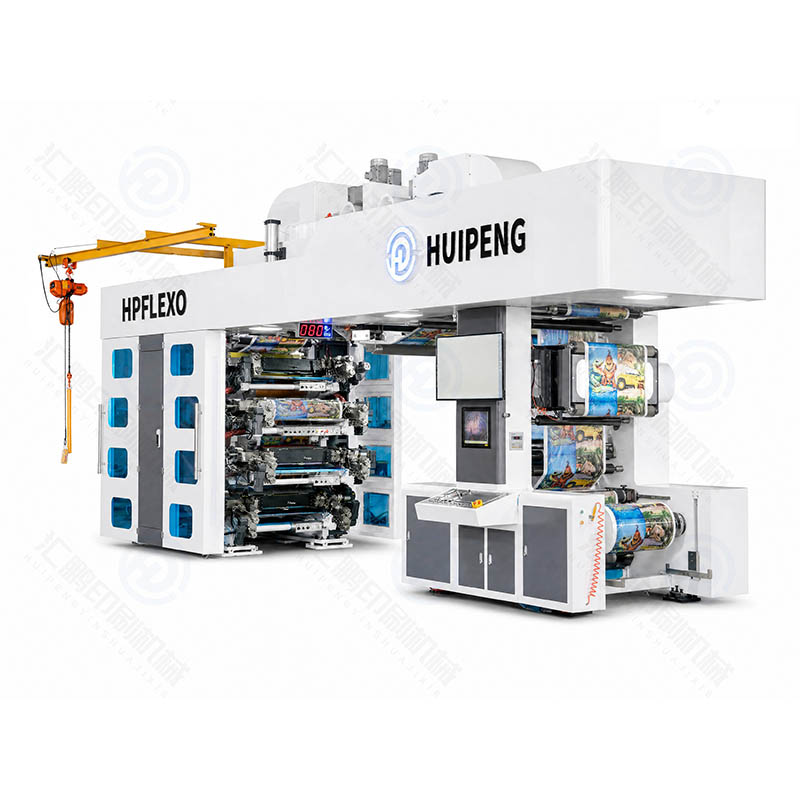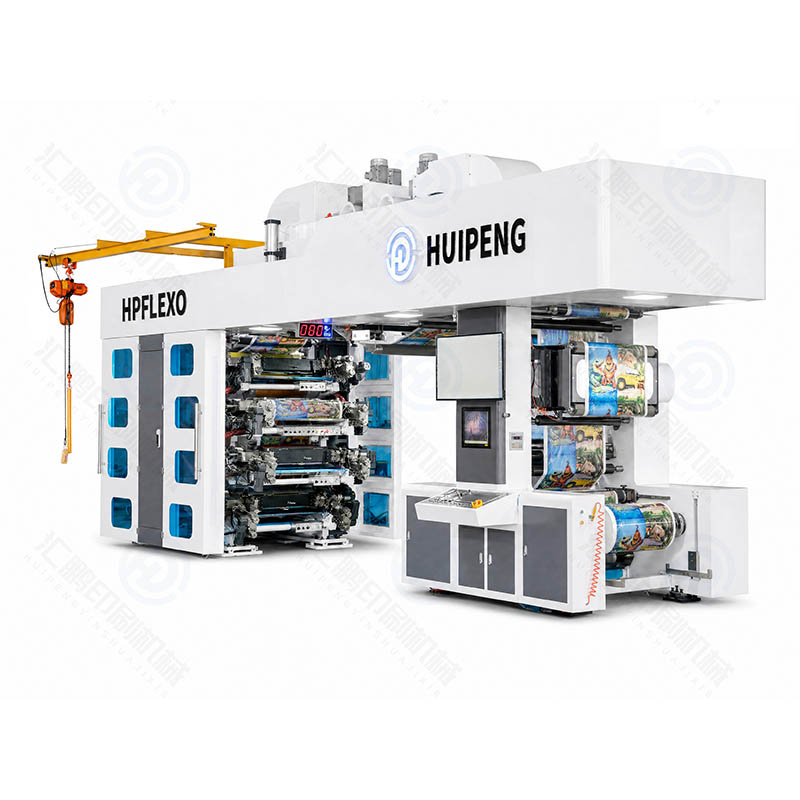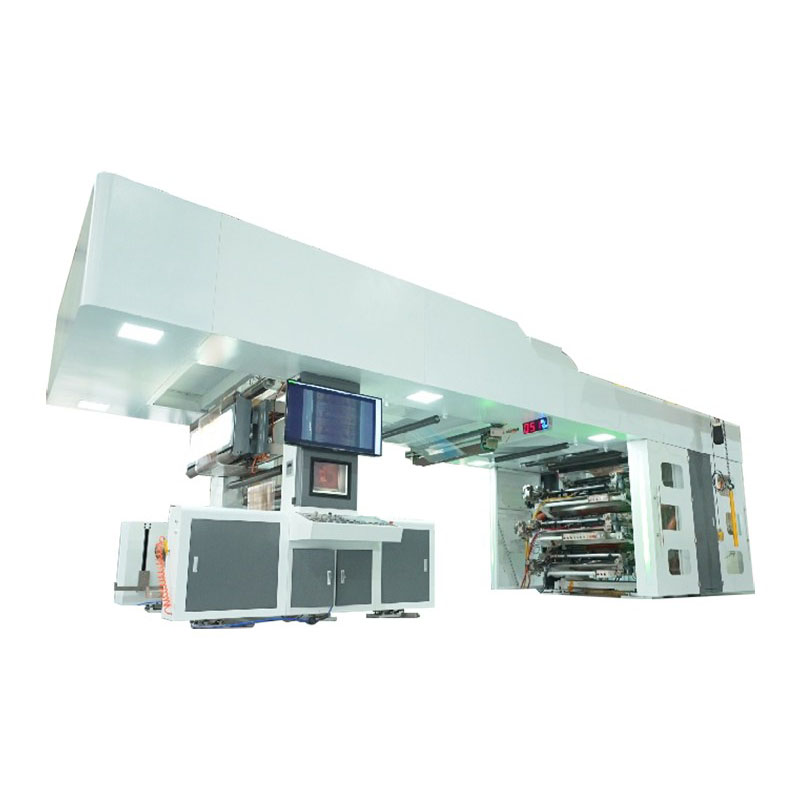

For paper packaging converters looking to reduce waste, improve color consistency, and increase pressroom throughput, a Gearless CI flexo press is now the standard choice for short-to-medium run work. Unlike conventional geared machines, a Gearless central impression flexo press removes the mechanical gear train from each print deck, using servo motors to position plate and anilox sleeves independently. This eliminates gear marking, reduces dot gain, and allows repeat lengths to be changed without changing gears. The same sleeve-based architecture is found in a Shaftless CI flexo press, where air-operated mandrels lock sleeves into place and make job changeover faster and safer. A Full servo CI flexo press goes a step further by dedicating a servo motor to every anilox roll, plate cylinder, and impression roll, giving operators precise control over tension, register, and drying. For paper packaging producers, that translates into cleaner solids, sharper text, and more consistent halftone reproduction on coated paper, kraft board, and liner grades. The modular design also supports inline coating, lamination, and cold foil, making the press adaptable to changing production demands without rebuilding the line.
The FlexiPrint G-Series is engineered around a rigid cast-iron central impression drum with double-wall cooling and dynamic balancing. The drum maintains surface temperature within ±1°C, which is essential when running heat-sensitive paper and coated board. The machine handles substrates from 60 to 450 gsm, with a maximum web width of 1,250 mm and a repeat range of 300 to 900 mm. Sleeve-based plate and anilox mounting eliminates the need for heavy cylinder handling, and the quick-change system reduces job changeover to less than 15 minutes per deck. Each print deck is equipped with a carbon-fiber chambered doctor blade system, a closed-loop ink supply, and individual servo motors for plate and anilox sleeves. The electrical cabinets are separated from the print section to protect components from ink mist and cleaning chemicals.
Standard configuration includes:
Core technical parameters are summarized below:
| Parameter | Specification |
|---|---|
| Max web width | 850 / 1,050 / 1,250 mm |
| Substrate range | Coated paper, kraft paper, paperboard, 60–450 gsm |
| Repeat range | 300–900 mm |
| Mechanical speed | 300 m/min |
| Max printing speed | 220 m/min (substrate dependent) |
| Number of colors | 4–10 (expandable) |
| CI drum diameter | 1,200 mm |
| Register accuracy | ±0.05 mm |
| Drive system | Full-servo, independent motors per deck |
| Anilox specification | Ceramic, 200–1,000 LPI, air-cooled |
| Drying options | Hot air, infrared, UV |
| Web guide | Ultrasonic edge guide, ±10 mm correction |
The FlexiPrint G-Series is built for inline lamination, coating, and cold foil applications, with modular dryers that can be configured as hot air, infrared, or UV. The stress-relieved cast frame and preloaded linear guideways maintain deck alignment through long production runs. The press also uses a closed-loop viscosity control system, which automatically adjusts ink and solvent levels to keep color density stable. Operators manage the line through a 21.5-inch touchscreen with recipe storage, job scheduling, and remote diagnostics. The servo-driven unwind and rewind stands handle roll diameters up to 1,500 mm, with splicing tables for nonstop operation. Air flotation dryers between decks prevent marking on unsupported paper, while the final tunnel dryer provides constant-temperature airflow across the full web width. The machine’s energy recovery system reduces hot air consumption by up to 20% compared with conventional dryers, which lowers running costs on long paper packaging runs. All guard doors are interlocked, and the electrical design complies with CE and UL safety standards.