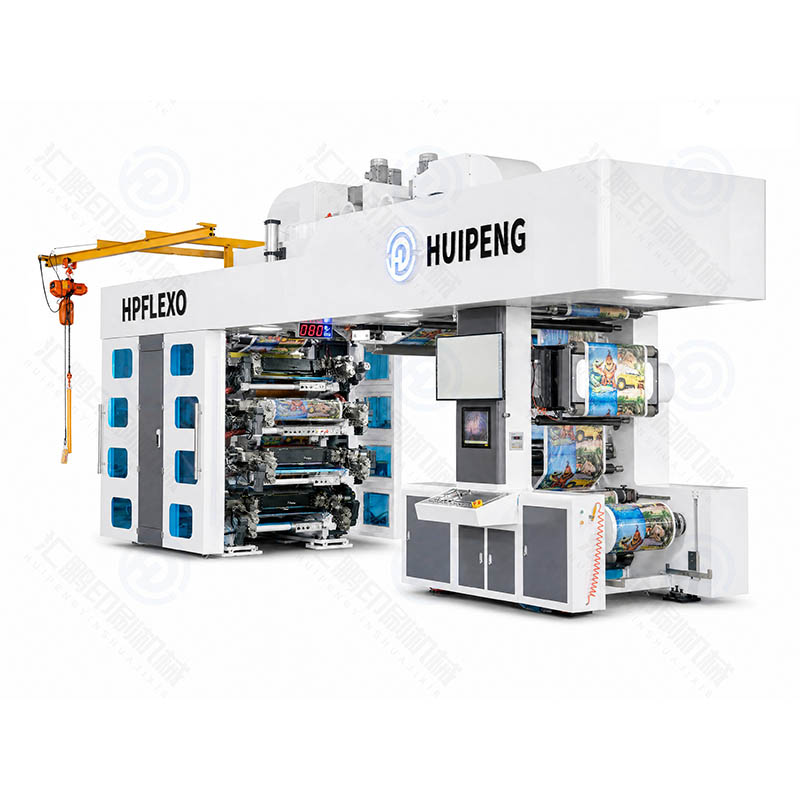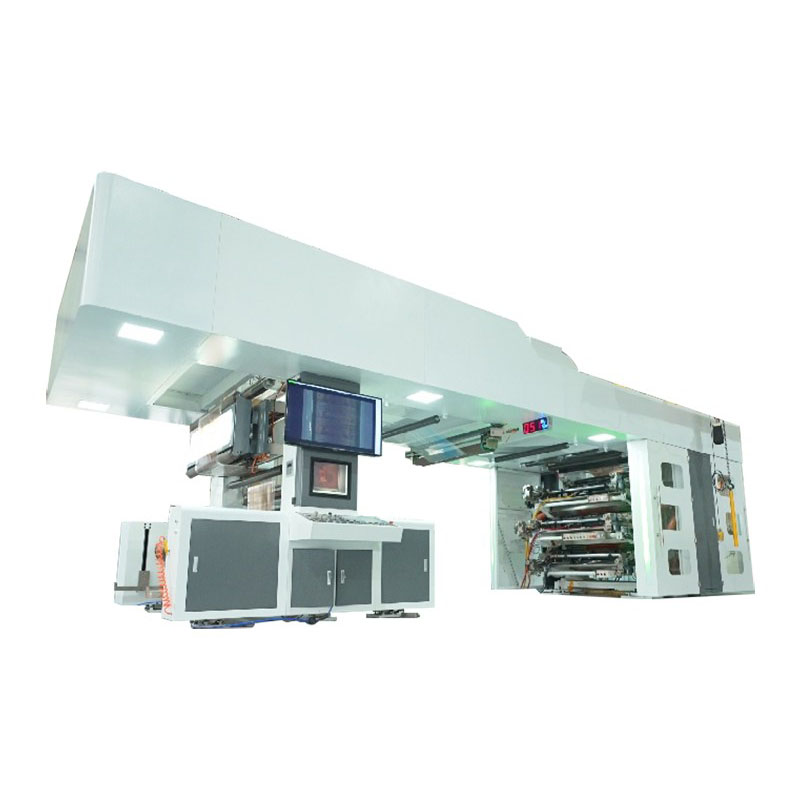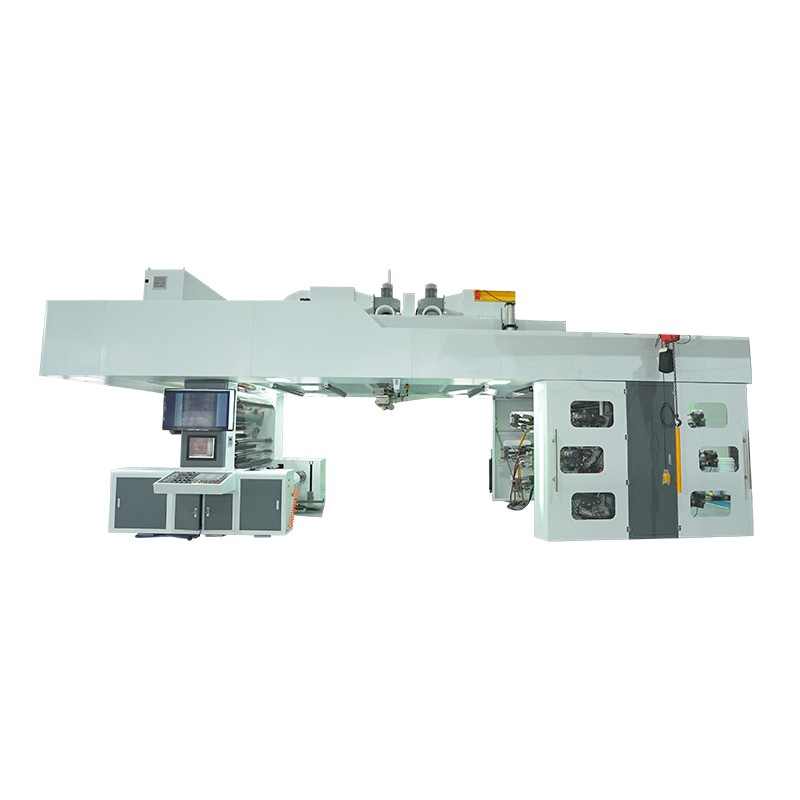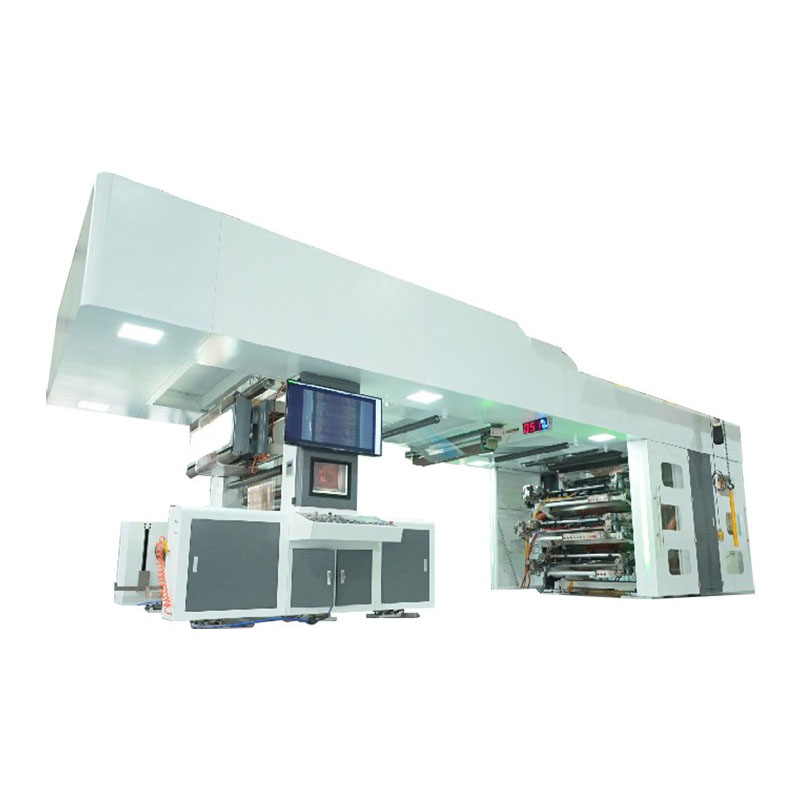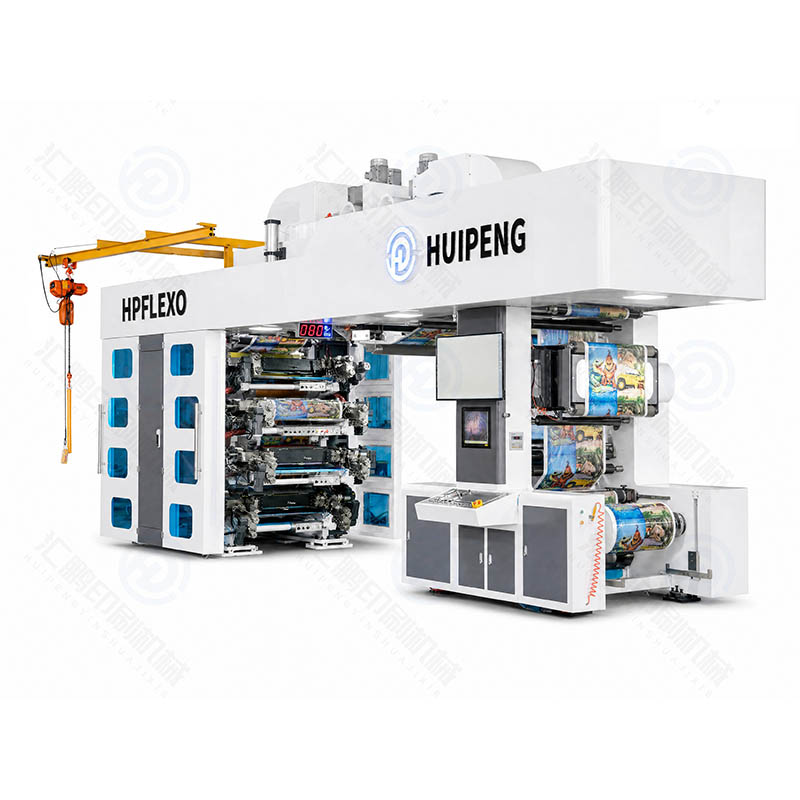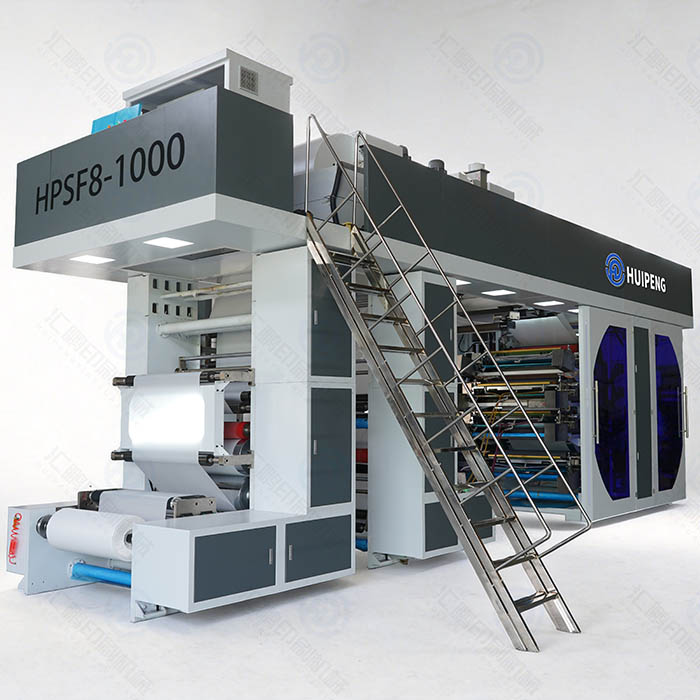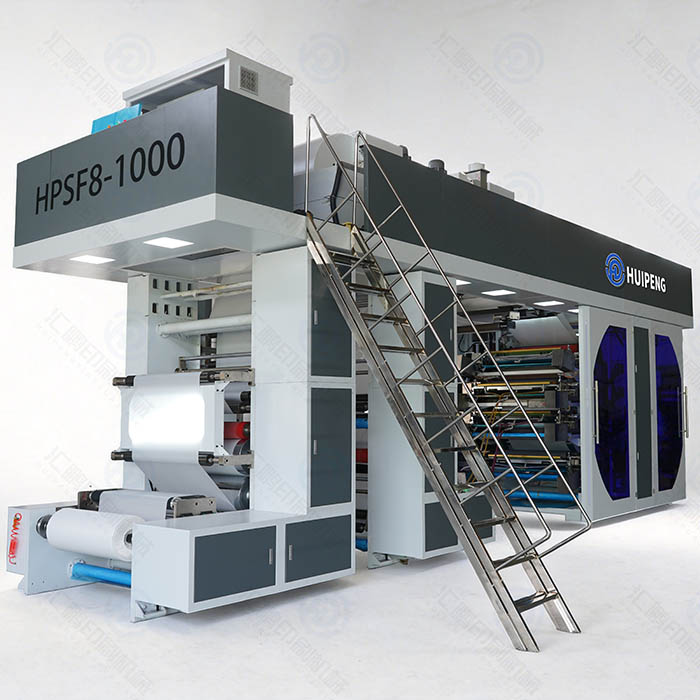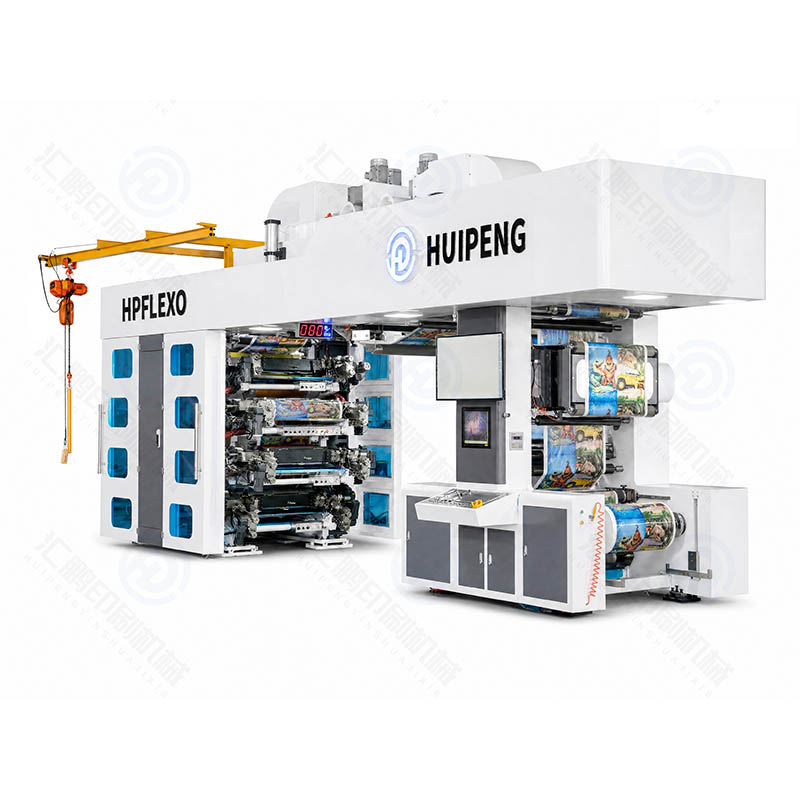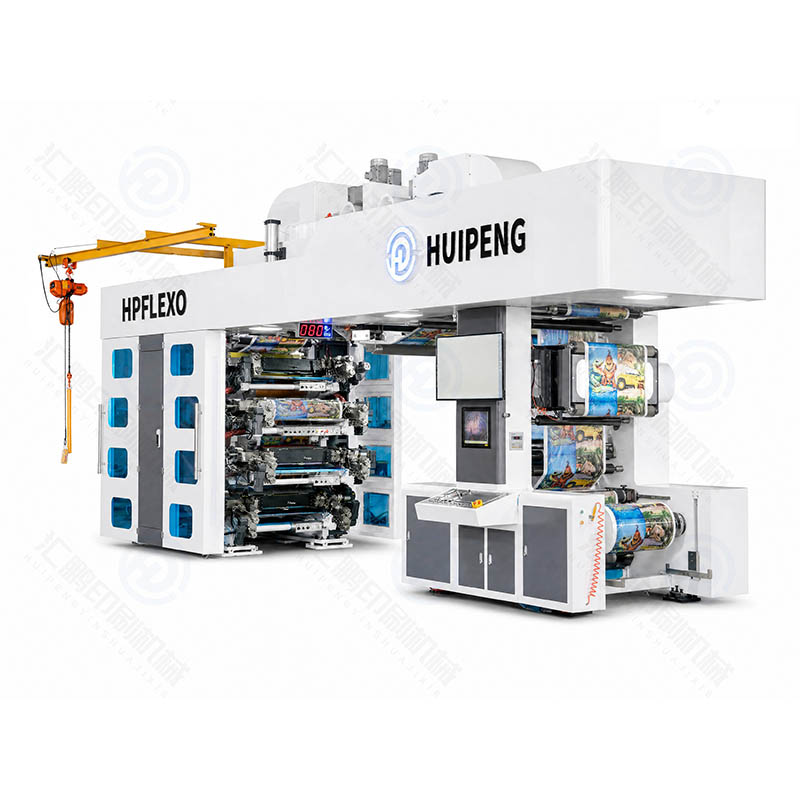

In modern flexible packaging and lamination workflows, a CI flexo printing machine for lamination delivers the consistent color density, precise registration, and film-handling stability required for high-quality printed webs that will later undergo adhesive or extrusion lamination. For converters targeting maximum throughput with minimal setup time, the High speed CI flexo printing machine provides rapid job changeovers, robust drying capacity, and reliable performance at elevated line speeds. When handling broader substrates or multi-panel designs, the Wide web CI flexo printing machine ensures uniform ink laydown and consistent temperature control across the full web width, reducing the risk of baggy edges and misregister. For converters serving food, personal care, and industrial packaging markets, the CI flexo printing machine for flexible packaging is engineered to meet strict lamination and barrier-film requirements with solvent-based or water-based inks. For thin-gauge polyethylene, BOPP, and PET substrates commonly used in lamination, the CI flexo printing machine for plastic film minimizes web distortion and maintains repeatable registration from the first print station to final rewind. These machine configurations share a central impression architecture that stabilizes the web during printing, making them well suited for high-clarity reverse printing, surface printing, and pre-lamination color matching. For reverse-printed films that will be laminated to sealant webs, precise dot gain control and consistent solvent retention are critical. The short web path between print decks reduces waste during setup and splice cycles, while stable viscosity and temperature at each deck help converters avoid lamination bubbles and delamination caused by residual solvents.
The CI flexo printing machine for lamination integrates a precision-ground central impression drum, servo-driven print decks, and enclosed doctor blade chambers to deliver stable, high-definition print quality on films destined for adhesive or extrusion lamination. The central drum design controls web temperature and tension more effectively than stack-type presses, while lightweight sleeve adapters allow fast repeat length changes without compromising print accuracy. Its rigid frame and pre-loaded linear guides reduce vibration during high-speed operation, which is especially important when printing fine text and security patterns on thin films for lamination. The machine also supports reverse printing on transparent films, a standard requirement for lamination structures where the printed image is buried under a laminate layer for scuff resistance and food-contact safety. Each print station is equipped with a closed-loop ink circulation system and automatic wash-up, which shortens cleaning time between color changes. The impression drum and idler rollers are designed to minimize friction and static generation, protecting heat-sensitive films commonly used in lamination. Operators can store job recipes with preset impression pressure, drying temperature, and tension curves, allowing repeat orders to reach stable color quickly. Main construction features and operating advantages are listed below.
| Parameter | Specification |
|---|---|
| Number of colors | 8 / 10 stations |
| Web width range | 850 mm – 1450 mm |
| Maximum mechanical speed | 350 m/min |
| Maximum printing speed | 300 m/min |
| Repeat length range | 350 mm – 850 mm |
| Substrate thickness | 12 μm – 150 μm |
| Printing accuracy | ±0.05 mm |
| Unwind/rewind diameter | 800 / 1000 / 1200 mm |
| Drying temperature | 40°C – 80°C adjustable per deck |
| Ink viscosity control | Automatic viscosity controller optional |
| Drive system | Servo motor with gearless direct drive |
| Regenerative tension | AC vector drives with regenerative braking |
| Web guide system | Ultrasonic edge sensor with ±0.1 mm accuracy |
| Dryer airflow | Inverter-controlled blowers with 10,000 m³/h per deck |
| Electrical system | PLC with touchscreen HMI and remote diagnostics |