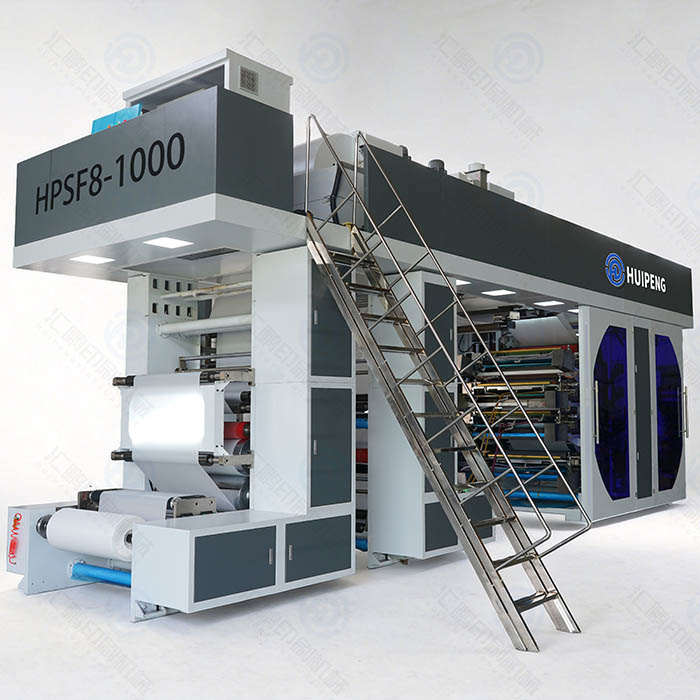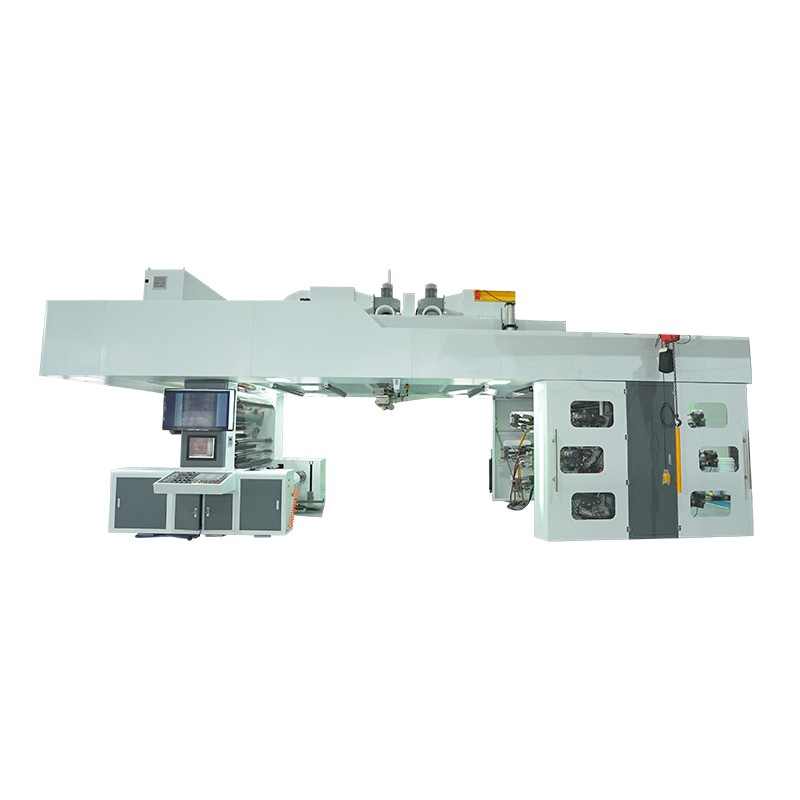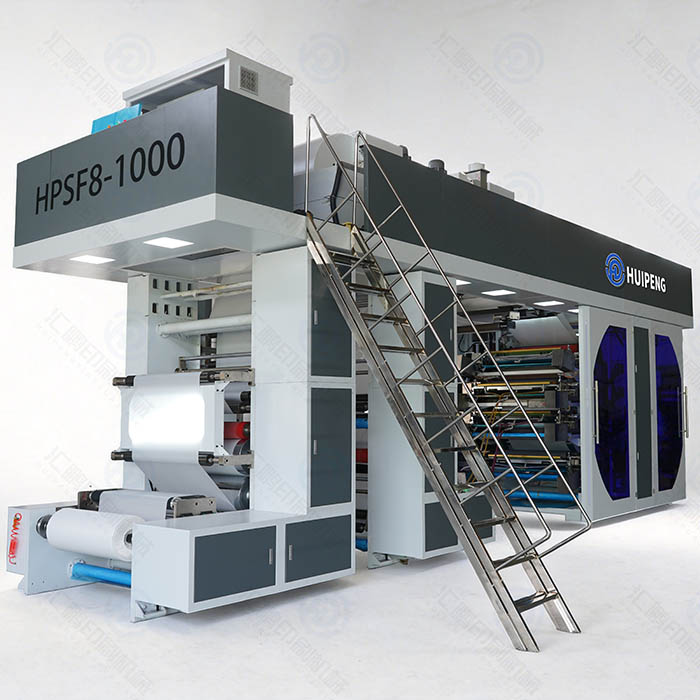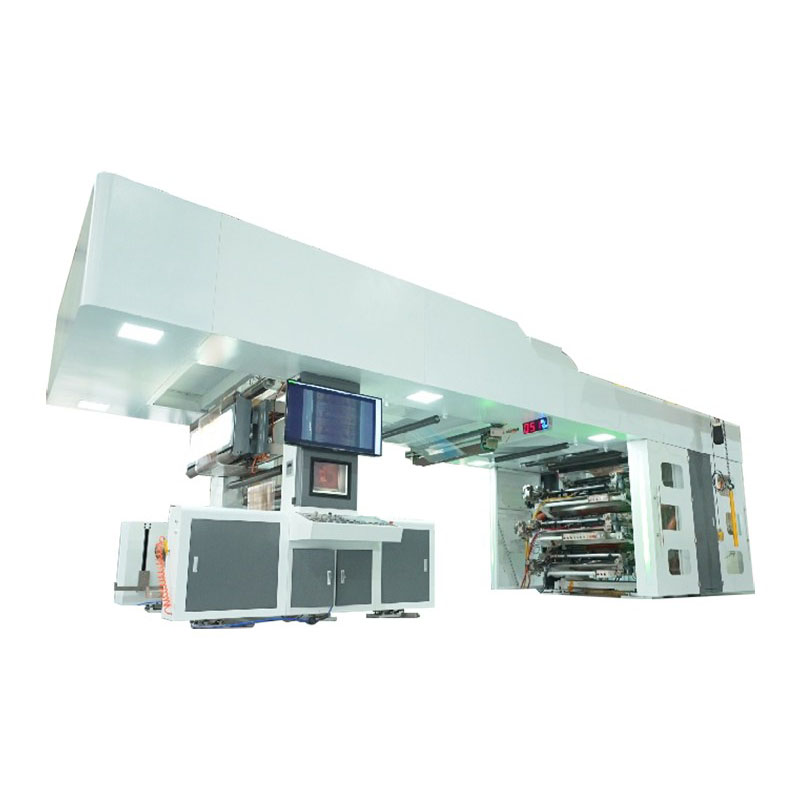

The wide web CI flexo printing machine is engineered for high-output converting lines that demand precise color-to-color registration and stable substrate control across wide film, paper, and flexible packaging webs. As a High speed CI flexo printing machine, it combines a rigid central impression drum with servo-driven print decks to maintain repeatable print quality at elevated production speeds, reducing waste during ramp-up and job changes. For converters serving food, beverage, and medical packaging markets, this platform also functions as a dependable CI flexo printing machine for flexible packaging, delivering low residual solvent levels and consistent ink laydown on multi-layer laminates and high-barrier structures. When processing polyethylene, BOPP, PET, CPP, or metallized films, the system operates as a CI flexo printing machine for plastic film with optimized hot air drying capacity and corona treatment compatibility for improved ink adhesion. In paper-based converting operations, it can be configured as a CI flexo printing machine for paper, handling coated board, lightweight liner, and flexible paper stocks without sacrificing registration accuracy or print definition.
The Wide Web CI Flexo Printing Machine is built around a double-wall cast iron central impression drum with integrated thermal control, which reduces thermal expansion and keeps print registration stable during prolonged production runs. The main frame uses heavy-duty stress-relieved cast iron side walls for vibration damping and precise alignment of the print decks. Each color deck is driven by a dedicated servo motor and precision gearbox, allowing synchronous speed adjustment independent of the main drive. The machine supports quick sleeve changes, enclosed doctor blade chambers, and high-efficiency drying hoods to handle water-based, solvent-based, and UV-curable inks. The drying system uses high-velocity hot air nozzles arranged around the CI drum, with independent temperature control per color station to match ink chemistry and substrate heat sensitivity. A closed-loop tension control system uses load cells at each section to maintain preset web tension from unwind to rewind, minimizing stretch and wrinkling on thin films. The automatic registration system uses CCD cameras and servo motors to correct both longitudinal and lateral registration errors within seconds after splice or speed change. Key configuration highlights include:
Detailed technical parameters are listed below to support line planning and substrate compatibility evaluation.
| Parameter | Specification |
|---|---|
| Maximum Web Width | 1250 mm / 1450 mm / 1650 mm |
| Maximum Mechanical Speed | 300 m/min |
| Print Repeat Range | 350 – 900 mm |
| Number of Colors | 6, 8, or 10 |
| Substrate Thickness | 20 – 150 μm (film), 80 – 250 gsm (paper) |
| Unwind / Rewind Diameter | 800 mm / 1000 mm / 1200 mm |
| Registration Accuracy | ±0.10 mm |
| Central Impression Drum Runout | ≤0.015 mm TIR |
| Drying System | Electric / gas / thermal oil with high-velocity hot air |
| Tension Control | Closed-loop servo-driven with load cells |
| Doctor Blade System | Enclosed chamber or single blade |
| Plate Mounting System | Quick-change mandrel or sleeve |
| Web Guide Accuracy | ±0.10 mm |
| Air Consumption | 0.6 – 0.8 MPa, 2.5 m³/min |
| Exhaust Volume | 12,000 – 18,000 m³/h |
| Machine Weight | Approx. 35,000 – 55,000 kg depending on web width and deck count |
| Electrical Requirements | 380V / 50Hz, 3-phase (customizable) |
Optional features and configurations include: