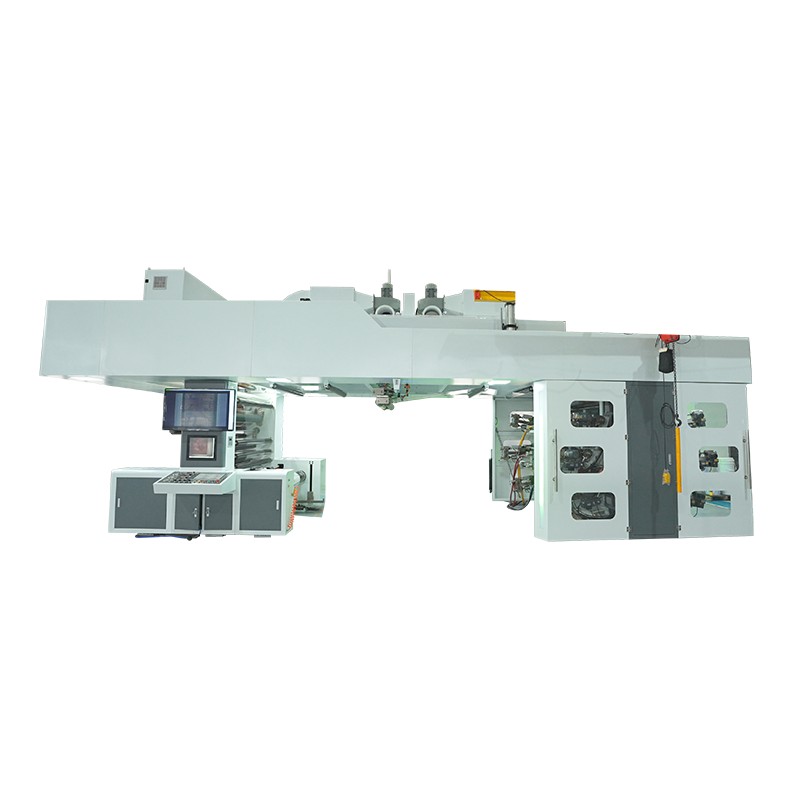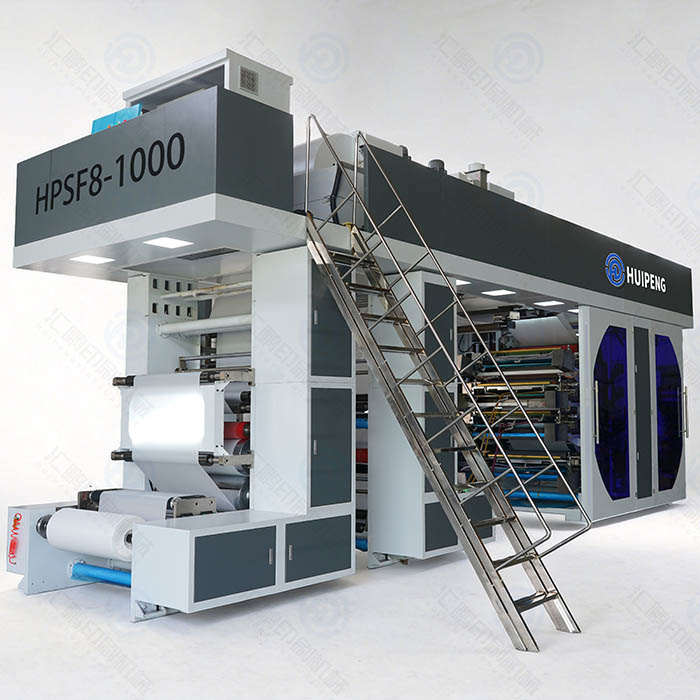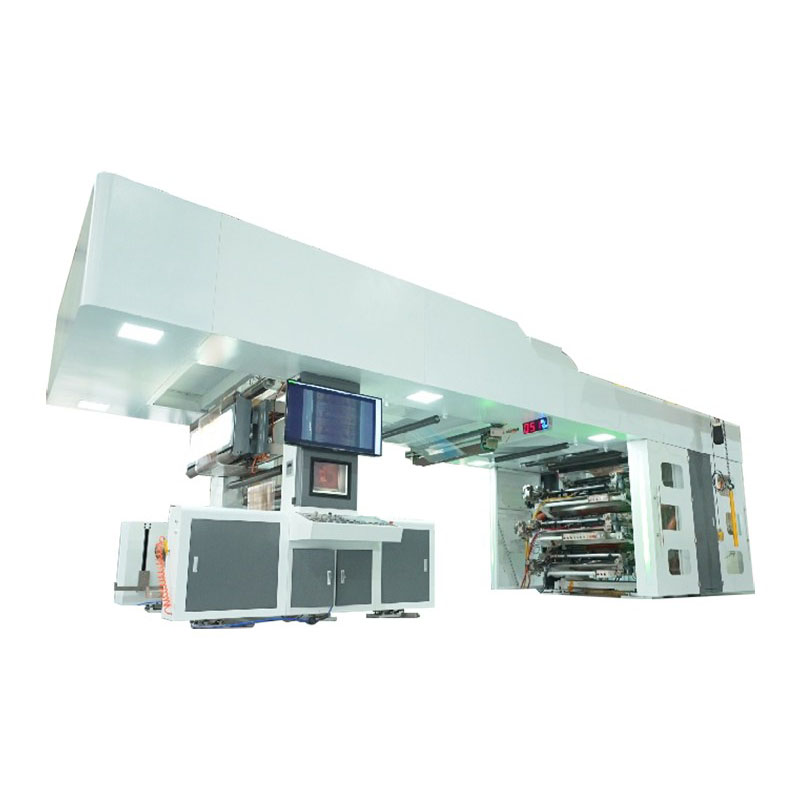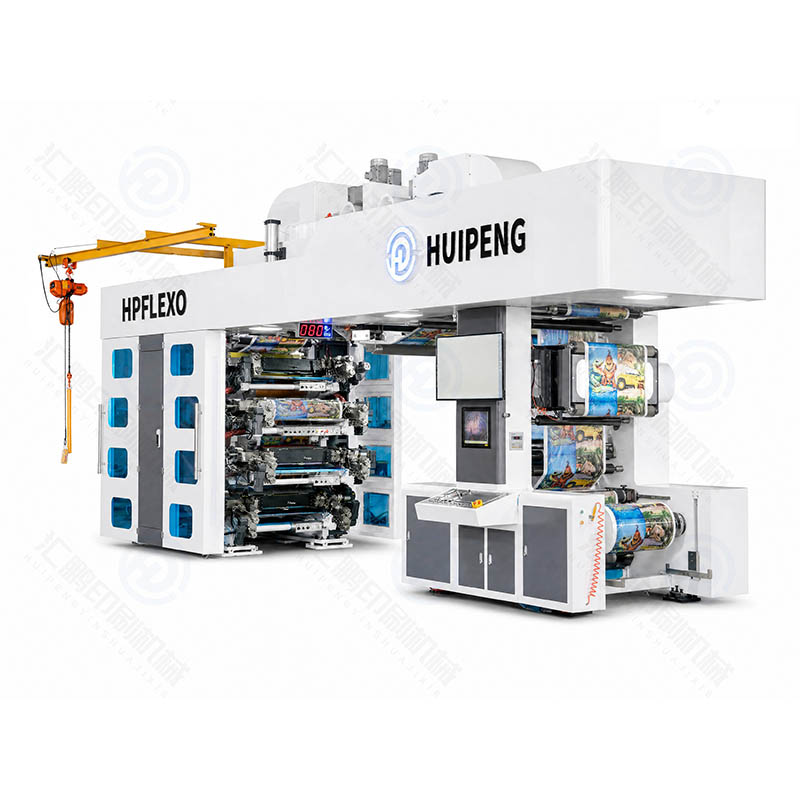

When selecting a modern printing solution for flexible packaging and label applications, the Stack flexographic printer remains a preferred choice for converters who need reliable multi-color output without excessive floor space. Unlike inline presses, a Stack type flexographic printing machine arranges its color stations vertically, enabling shorter web paths and better tension stability during high-speed runs. A well-maintained Stack flexo press can handle a broad range of inks and coatings, while a Stack type flexo printing machine delivers the precise registration that modern packaging buyers demand.
The stack type flexo printer is built around a heavy-duty steel frame that reduces vibration and maintains stable alignment even at high production speeds. Its vertical station configuration shortens the web path between print units, which lowers the risk of substrate elongation and improves color-to-color registration. The machine is suitable for printing on BOPP, PET, LDPE, HDPE, aluminum foil, coated paper, and laminates with thickness ranging from 20 to 300 microns. Drying systems can be configured with electric hot air, steam, or thermal oil, and each station includes independent temperature control to match the ink chemistry and substrate heat sensitivity.
Accurate color-to-color registration in a stack type flexo printer is achieved through a combination of precision-ground print cylinders, helical gears, and automatic pre-registration software. Each print station is equipped with a digital position sensor that feeds real-time data to the main PLC, enabling closed-loop correction within microseconds. The doctor blade chamber is designed for quick removal, and the anilox roll can be replaced without disturbing adjacent stations. This reduces setup time by up to 40% compared to older mechanical systems.
Key operational features of this stack type flexo printing machine include:
Technical specifications for the stack type flexo printer are listed below:
| Technical Parameter | Standard Specification |
|---|---|
| Maximum printing width | 600 mm / 800 mm / 1000 mm / 1300 mm / 1600 mm |
| Number of printing stations | 2 to 8 (modular expansion) |
| Maximum mechanical speed | 250 m/min |
| Normal printing speed | 120–200 m/min based on substrate |
| Longitudinal registration accuracy | ±0.10 mm |
| Lateral registration accuracy | ±0.10 mm |
| Substrate thickness range | 20–300 µm |
| Unwind and rewind diameter | 1000 mm standard; 1200 mm optional |
| Anilox roller options | 200–1000 LPI ceramic-coated |
| Drying temperature range | 50–120 °C per station |
| Power supply | 380V / 50Hz / 3-phase (customizable) |
| Installed power | 45–90 kW depending on configuration |
| Overall dimensions (6-color, 1000 mm width) | Approx. 8500×2800×4200 mm |
| Machine weight | 12,000–28,000 kg |
The machine handles water-based inks with stainless steel ink pans and corrosion-resistant piping, while solvent-based applications use explosion-proof motors and grounded components. UV-curable configurations include inter-station UV lamps with adjustable intensity. The drying hoods are insulated to reduce energy consumption, and exhaust airflow is balanced to prevent web flutter on lightweight films.
The stack type flexo printer also supports optional upgrades such as automatic viscosity control, in-line slitting, and turn-bar systems for double-sided printing. Its open-frame design simplifies maintenance access to gears, bearings, and ink pans, reducing mean time to repair. The machine’s PLC system records production data and can be connected to plant MES or ERP systems for real-time job tracking and efficiency analysis.
Common applications include: