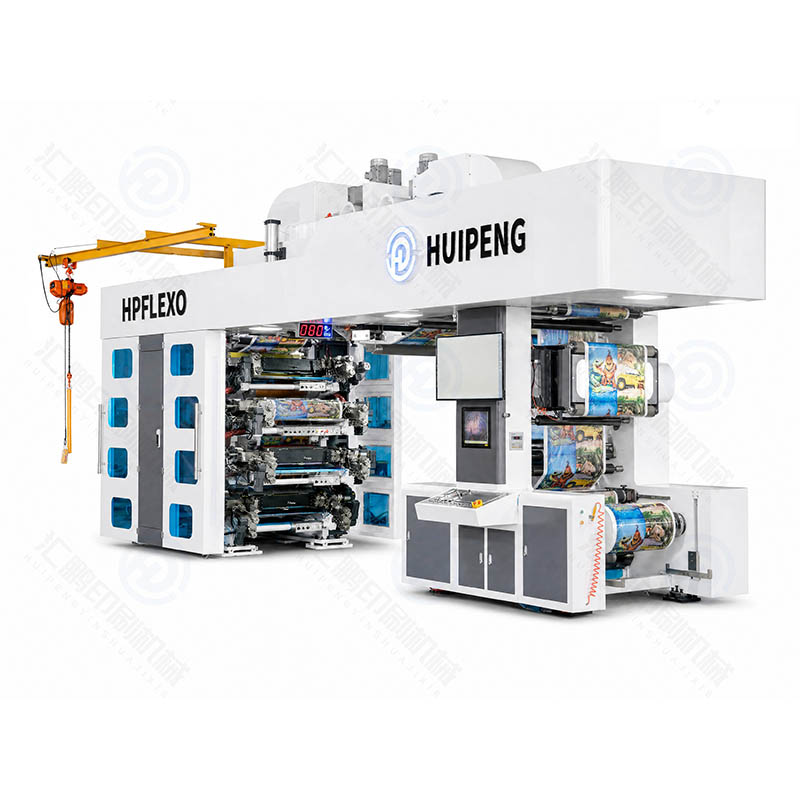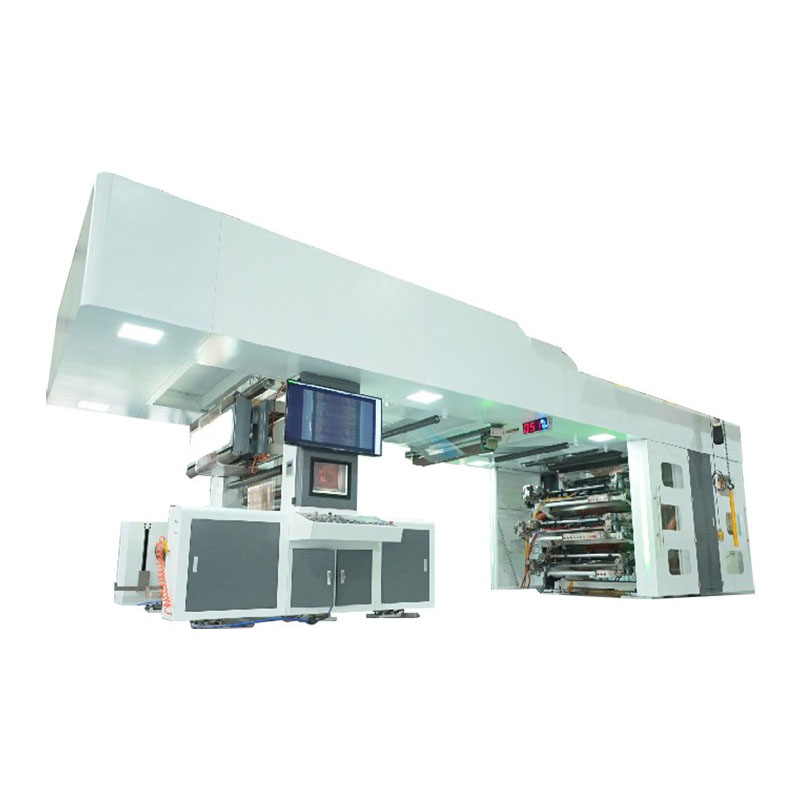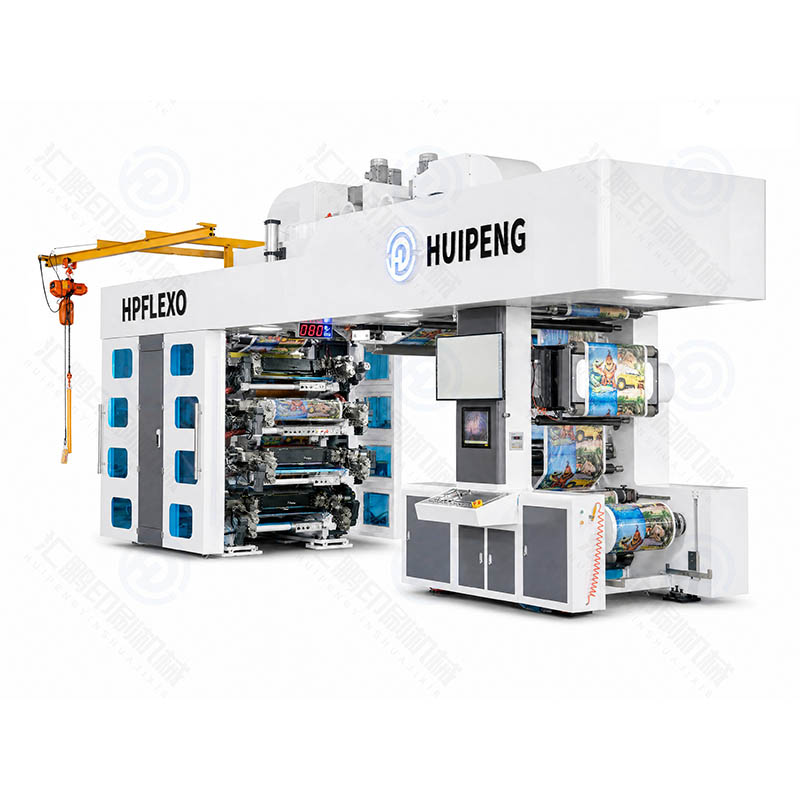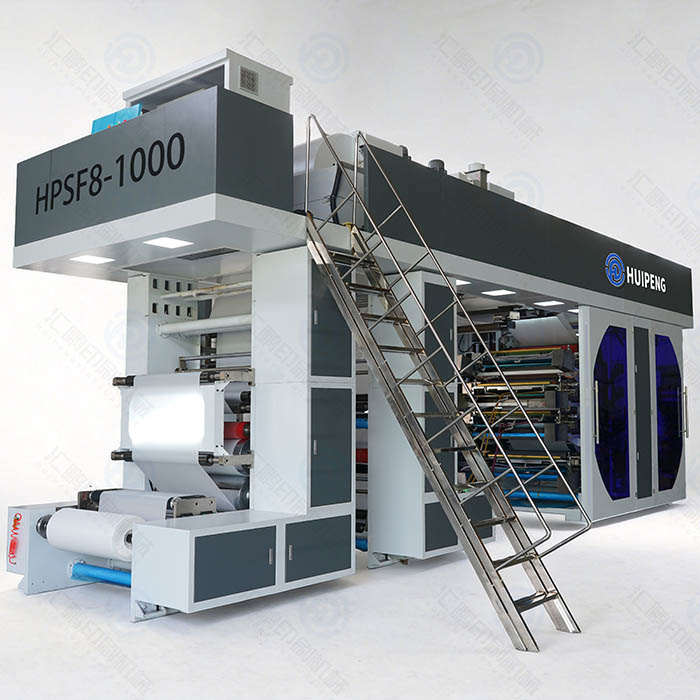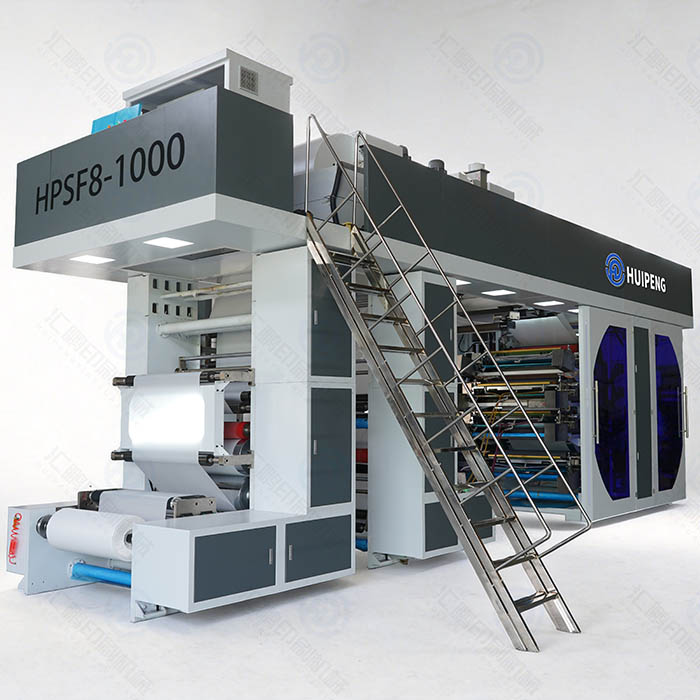

Flexible packaging converters and label printers require fast changeovers, stable color register, and reliable performance on thin films. A Central impression flexo printing machine meets these requirements by carrying the web around a single large-diameter impression cylinder. Because the material stays fixed to one drum while passing through each color station, this design prevents web weave and tension variation that commonly reduce print quality on extensible substrates. A CI flexographic printing machine builds on that principle with servo-driven print sleeves, chambered doctor blades, and automated impression settings for repeatable halftone work. When operators need rapid job changes and minimal waste, a CI flexo press delivers faster setup through recipe storage and pre-register functions. In high-volume film applications, a Central drum flexo printing machine provides the mechanical stability needed to hold tight registration from start to finish on PE, PP, and shrink film. These machines are widely used for pouches, wrappers, labels, and shrink sleeves, where fine text and process color require tight register.
CI flexo printing machinery is engineered for high productivity across flexible packaging, labels, and shrink sleeve applications. The standard machine frame uses stress-relieved cast iron side frames and a precision-ground large-diameter impression cylinder. Each print deck is driven by an independent servo motor, allowing accurate tension control and rapid registration correction. Available print widths, repeat lengths, and speed ratings depend on the selected configuration. The following list summarizes the main technical parameters:
Optional modules improve efficiency and reduce operator workload. Automatic splicing allows non-stop roll changes on both unwind and rewind sides. A web cleaning and corona treatment station prepares the substrate surface before the first print deck. Ink viscosity automation, temperature-controlled ink trays, and automatic wash-up systems reduce ink waste and shorten turnaround times. Inline inspection cameras with 100% defect detection integrate with the main control system for real-time quality monitoring. Substrate tension is controlled through load cells at the infeed, outfeed, and between the unwind and rewind units. Closed-loop tension control reduces film stretching and improves repeatability on thin films. Print sleeves can be changed without removing the anilox or plate cylinder shafts, allowing color changes in under 15 minutes.
| Model | Web Width | Color Units | Max Speed | Repeat Length | Registration |
|---|---|---|---|---|---|
| CI-850 | 850 mm | 6+1 / 8+1 | 300 m/min | 330–650 mm | ±0.05 mm |
| CI-1050 | 1050 mm | 8+1 / 10+1 | 350 m/min | 350–800 mm | ±0.05 mm |
| CI-1250 | 1250 mm | 8+1 / 10+1 | 400 m/min | 400–950 mm | ±0.05 mm |
| CI-1450 | 1450 mm | 10+1 / 12+1 | 400 m/min | 450–950 mm | ±0.05 mm |
The user interface includes recipe management, job queue handling, and remote diagnostic access. Operators can store print settings for different substrates, reducing setup time and ensuring consistent color density across repeat jobs. The single large-drum architecture minimizes web unsupported length between color decks, which is particularly important for thin films and heat-sensitive materials. Typical applications include stand-up pouches, flow wrap, shrink sleeves, and wrap-around labels. The machinery handles BOPP, PET, LDPE, HDPE, paper, and aluminum foil laminates. Safety features include full guarding, interlocks, and emergency stop circuits that comply with CE and UL standards.